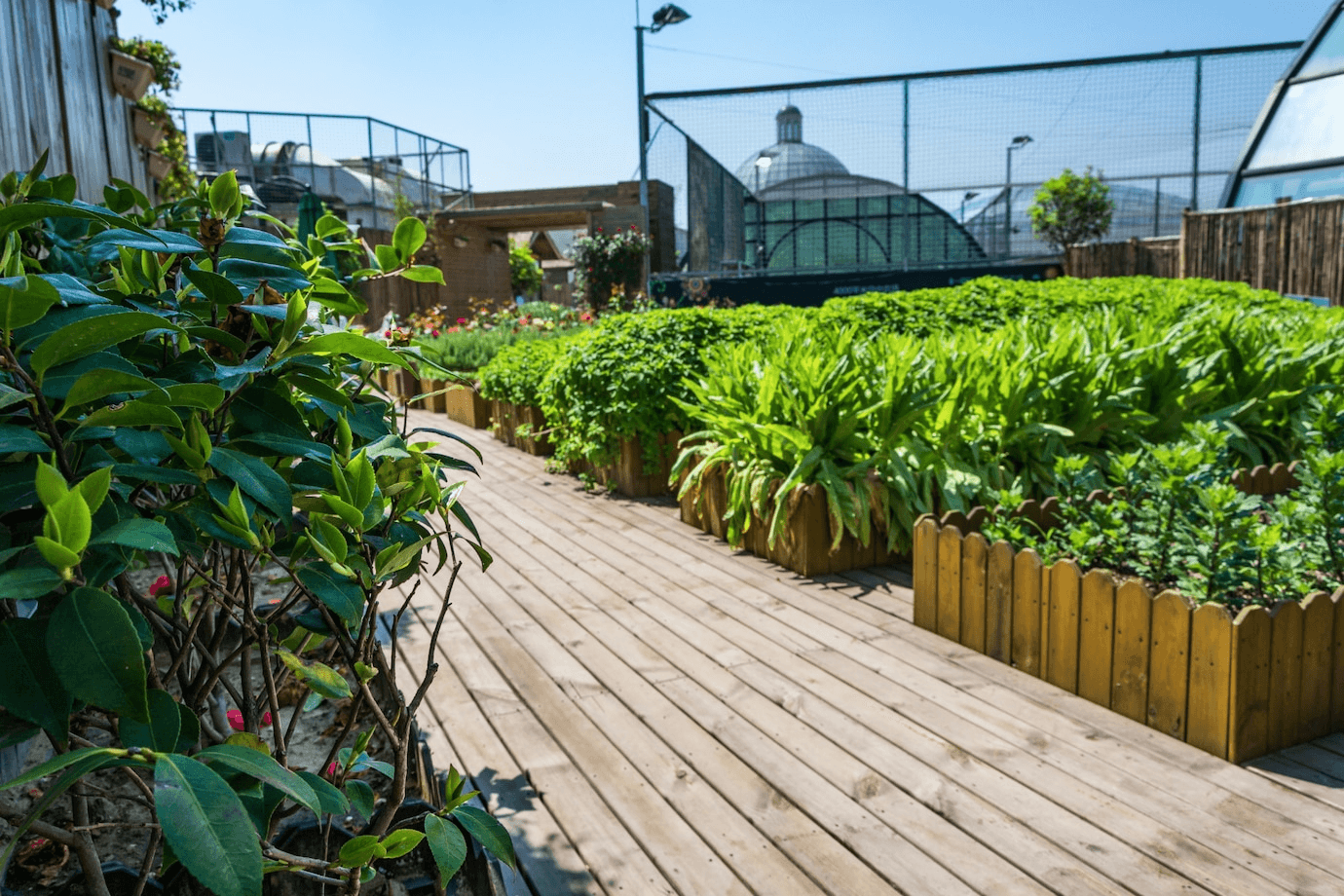
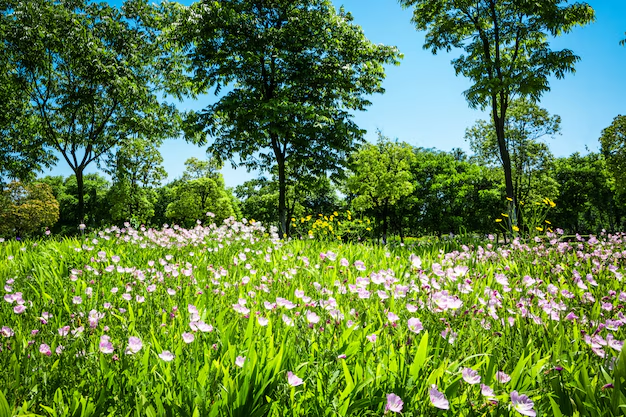
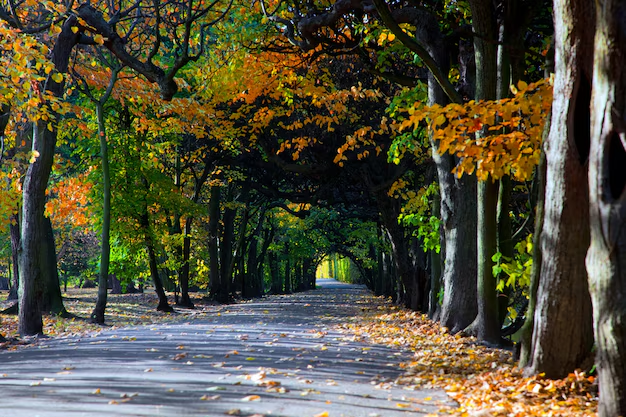
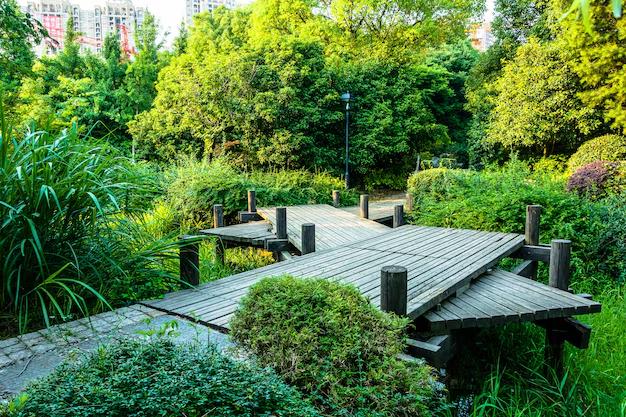
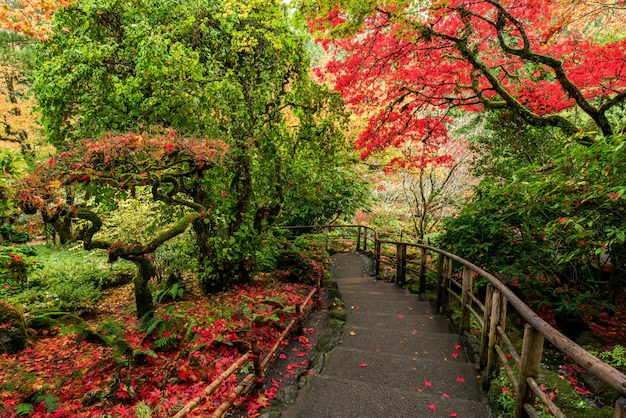
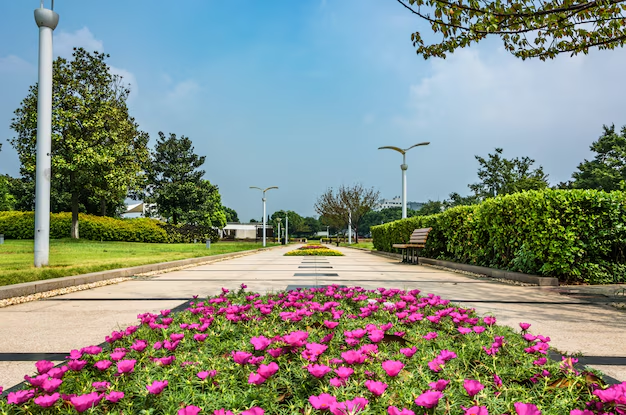
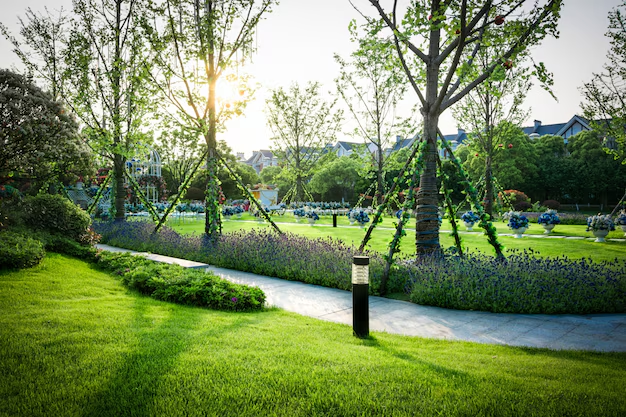
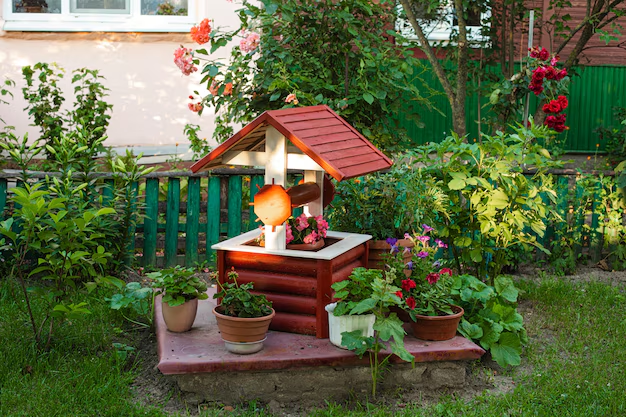
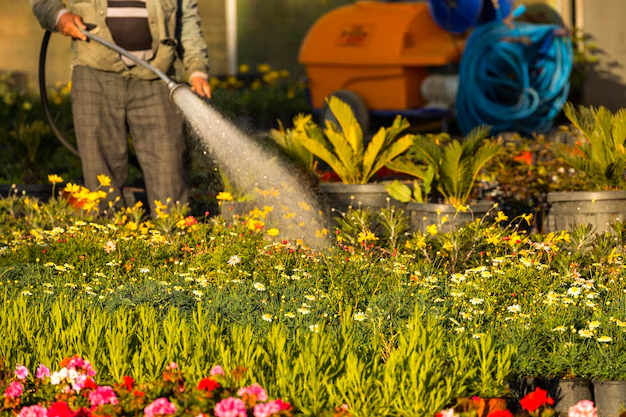
Ideas for Large Gardens and Open Landscapes Large gardens and open landscapes offer a canvas for creativity, blending natural beauty with purposeful design to create spaces that inspire, relax, and thrive. Begin by crafting zones that cater to diverse functions: tranquil retreats with shaded pergolas or hammocks, vibrant wildflower meadows for pollinators, and recreational areas with expansive lawns or sports spaces. Incorporating water features such as reflective ponds, cascading waterfalls, or natural streams adds both movement and serenity, while pathways of gravel, stone, or grass create inviting connections between spaces. Planting strategies should consider scale and layering—tall trees for a canopy, mid-height shrubs for structure, and ground covers for texture. Edible gardens, orchards, and herb spirals can combine aesthetics with functionality, offering fresh produce year-round.These gardens foster a sense of community by bringing people together with a shared purpose. Neighbors of all ages and backgrounds can participate, whether through planting, gardening education, or organizing events. This collaboration strengthens social bonds and creates opportunities for learning and cultural exchange. Neighborhood gardens also play a significant role in addressing food insecurity by offering access to fresh, locally grown produce, especially in urban areas where grocery stores may not be easily accessible.