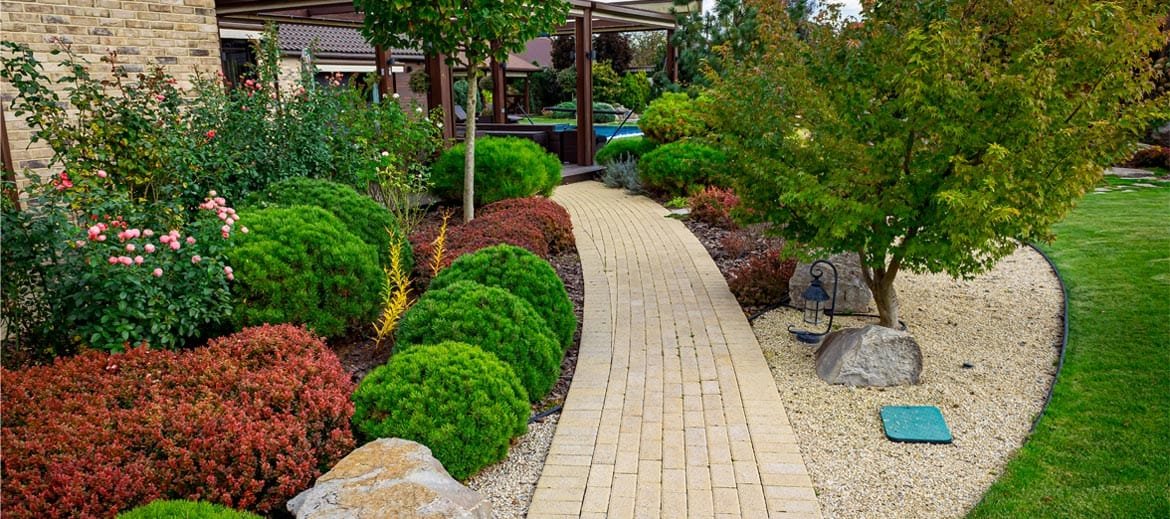
You want a garden that looks considered, functions well, and thrives throughout the seasons. The Plantsman North London approaches garden design and plant planning with a clear process that links your ideas to practical, well-executed solutions.
You gain a tailored garden design and planting plan that suits your space, lifestyle, and the specific conditions of your North London property. From structured layouts and defined features to detailed plant selection, every decision supports long-term health, visual balance, and manageable upkeep.
You can expect thoughtful planting schemes, sustainable choices, and professional implementation backed by ongoing care. This approach helps you understand not just how your garden will look, but how it will grow and perform over time.
You work with a North London team that handles garden design, landscaping, planting, maintenance, and tree surgery in a coordinated way. Each stage focuses on practical decisions, plant quality, and layouts that suit how you actually use your outdoor space.
You start with a clear, structured design process that balances aesthetics with horticultural knowledge. The Plantsman combines garden design studio expertise with hands-on planting and maintenance experience, so your layout is realistic to build and straightforward to manage.
You receive a design that considers:
Plant selection plays a central role. The team sources healthy, high-quality plants from trusted specialist nurseries and chooses varieties suited to North London conditions, including postcodes such as N1, N4, N6, N10 and surrounding areas.
You avoid generic schemes. Instead, you get a design that reflects your preferences while remaining practical, buildable, and seasonally resilient.
You begin with a detailed consultation focused on your goals, budget, and timeline. The discussion covers how you want to use the garden—entertaining, family space, low-maintenance planting, or structured borders—and any constraints that affect design decisions.
A site assessment follows. This typically reviews:
You benefit from measured, on-site observations rather than assumptions. This groundwork reduces costly changes later and ensures planting plans match real conditions.
Clear communication continues throughout. You understand what is feasible, what requires adjustment, and how each stage will progress.
You receive a bespoke plan tailored to your property rather than a standard template. The Plantsman offers coordinated services that may include:
Service Area | What It Involves |
Garden design | Layout planning, planting schemes, hard landscaping concepts |
Landscaping | Installation of paving, structures, beds, and lawns |
Planting | Professional planting using carefully sourced stock |
Maintenance | Ongoing care to establish and sustain the garden |
Tree surgery | Management of existing trees where required |
You can choose a comprehensive design-and-plant planning package or select specific services to suit your needs.
Each solution supports long-term plant health and manageable upkeep, so your garden remains structured, functional, and well maintained across the seasons.
Effective plant planning shapes how your garden looks, functions, and matures over time. You need the right mix of structure, seasonal interest, and site-appropriate species to create a garden that performs well in North London conditions.
You need plants that cope with North London’s temperate climate, variable rainfall, and urban conditions. Winter temperatures can dip below freezing, while summer heat reflects off brick walls and paving. Choose species proven to tolerate both.
Evergreen structure forms the backbone of your planting. Consider Taxus baccata, Prunus lusitanica, or Pittosporum tenuifolium for screening and year-round presence. Add deciduous shrubs such as Hydrangea paniculata or Cornus alba to bring seasonal change and winter stem colour.
For smaller gardens in postcodes such as N1, N6, or N10, select compact or multi-stem trees. Options like Amelanchier lamarckii or Betula utilis ‘Jacquemontii’ offer height without overwhelming limited space.
Prioritise plant health and provenance. Sourcing from reputable specialist nurseries reduces the risk of disease and ensures strong root systems that establish quickly.

You should plan for interest in every month, not just summer. A well-structured garden balances evergreen planting with deciduous and herbaceous layers to maintain life in winter and colour in warmer seasons.
Use a simple framework:
Layering extends seasonal value. Plant spring bulbs beneath deciduous shrubs so they flower before the canopy fills. Combine late-flowering perennials with grasses that hold structure into winter rather than cutting everything back in autumn.
You also need to consider maintenance cycles. Select plants that match the level of care you want to commit to, especially in domestic gardens with limited time for upkeep.
You create visual coherence by repeating key plants throughout the garden. Repetition strengthens structure and avoids a fragmented look.
Start with a clear framework of shrubs and small trees. Then add mid-height perennials and underplant with ground cover such as Geranium, Epimedium, or Heuchera to suppress weeds and knit beds together.
Use colour deliberately. Limit your palette to two or three dominant tones for a calmer scheme, or combine complementary colours such as purple and yellow for contrast. For example:
Structural Plant | Companion Perennials | Seasonal Effect |
Box or Yew | Salvia, Nepeta | Long summer colour |
Hydrangea | Astrantia, Ferns | Soft texture, shade tolerance |
Birch | Hakonechloa, Anemone | Light canopy, autumn interest |
Balance form as well as colour. Pair upright plants with mounding shapes and fine-textured grasses to avoid monotony.
You must understand your soil before finalising any planting plan. North London gardens often contain heavy clay, especially in areas such as N2 or N11, which affects drainage and root development.
Test drainage by digging a trial hole and observing how quickly water disperses. Improve clay soils with organic matter, but avoid assuming all sites require the same treatment.
Urban microclimates also influence success. South-facing walls create warm, dry pockets suitable for Mediterranean species like Lavandula or Cistus. Shaded courtyards in dense terraces may suit ferns, hostas, and shade-tolerant shrubs instead.
Wind exposure, pollution, and neighbouring trees alter light levels and moisture. You need to assess these factors carefully so your planting thrives rather than merely survives.
A well-planned layout shapes how you move through your garden and how each space functions. Clear structure, practical materials, and defined focal points allow your outdoor space to feel organised, usable, and visually balanced.
You can choose a formal layout if you prefer structure, symmetry, and clear geometry. Straight paths, aligned planting beds, clipped hedging, and balanced proportions create order and visual stability. This style suits town gardens and contemporary properties where clean lines complement the architecture.
An informal garden uses softer shapes and relaxed planting. Curved borders, mixed perennials, ornamental grasses, and layered shrubs create movement and seasonal change. You achieve a natural appearance without sacrificing organisation.
When selecting a style, consider:
You can also blend both approaches. For example, a structured patio may lead into looser planting beds, giving you clarity near the house and softness further out.
Hardscaping provides structure and defines circulation. Patios, pathways, retaining walls, decking, and steps shape how you move and use the garden.
Choose materials that match your home and withstand UK weather conditions. Natural stone, porcelain paving, brick, and treated timber each offer different levels of durability and maintenance. Consistent materials create visual cohesion.
Key hardscaping elements often include:
You should position these elements early in the design process. Once installed, they anchor the planting scheme and influence irrigation, drainage, and long-term maintenance.
You improve usability when you divide your garden into purposeful zones. A dining area, a quiet seating corner, a lawn for play, and structured planting beds can each serve a clear function.
Use focal points to draw the eye and create direction. A specimen tree, water feature, sculpture, or carefully positioned seating area provides visual interest and balance. Place focal features at the end of sightlines or where paths meet.
You can define zones through:
This approach allows you to make even a compact North London garden feel layered and intentional, while keeping circulation practical and uncluttered.
You reduce long-term costs and environmental impact when you plan planting with water use, biodiversity and maintenance in mind. Careful plant selection, soil management and practical layouts help your North London garden perform well in changing weather conditions.
You lower water demand by selecting plants suited to London’s temperate climate and increasingly dry summers. Drought-tolerant perennials such as Salvia, Nepeta, Echinacea and ornamental grasses cope well in free-draining soils and exposed sites.
Group plants by similar water needs to avoid overwatering. This method, often called hydrozoning, ensures lawns, borders and containers receive appropriate irrigation rather than a uniform approach.
Improve soil structure with organic matter to increase moisture retention. Mulching with composted bark or leaf mould reduces evaporation, suppresses weeds and protects roots during temperature fluctuations.
You can also integrate practical measures:
These steps reduce mains water use while keeping planting healthy and resilient.
You support local biodiversity when you include a diverse mix of native and well-adapted plants. In North London, species such as hawthorn, field maple and native hedgerows provide shelter and food for birds and insects.
Layer planting to create structure. Combine canopy trees, shrubs, herbaceous perennials and groundcover to form habitats at different heights.
Focus on plants that provide seasonal interest and ecological value:
Season | Plant Focus | Wildlife Benefit |
Spring | Flowering shrubs and bulbs | Early nectar for pollinators |
Summer | Herbaceous perennials | Bees and butterflies |
Autumn | Berrying shrubs | Food for birds |
Winter | Evergreen structure | Shelter and nesting sites |
Limit chemical use and prioritise soil health. Healthy soil supports invertebrates, which in turn sustain birds and other wildlife.
You reduce upkeep by designing with realistic maintenance levels in mind. Dense planting schemes suppress weeds and reduce exposed soil, cutting down time spent on regular weeding.
Choose long-lived perennials and structural shrubs that maintain form without frequent pruning. Evergreen hedging and well-spaced specimen plants provide year-round definition with minimal intervention.
Replace high-maintenance lawns in shaded or awkward areas with alternatives such as gravel gardens, groundcover planting or paved terraces. These options require less mowing and watering.
Clear access routes and defined borders also simplify maintenance tasks. When your garden layout supports practical care, you spend less time managing problems and more time enjoying the space.
You move from approved design to a structured build and planting phase that follows a clear programme. You also receive practical guidance to keep your garden healthy and consistent with the original design intent.
You start with a detailed site schedule that sets out groundworks, hard landscaping, soil preparation and planting sequences. The team coordinates designers, landscapers and horticultural specialists so construction and planting align with the approved plans.
Before any plant goes into the ground, the team improves soil structure where needed. They may incorporate organic matter, adjust drainage, and install irrigation or fertigation systems if specified. This step protects root development and reduces future plant stress.
Planting follows a structured plan rather than ad hoc placement. Trees and structural shrubs go in first, followed by hedging, perennials and groundcover to achieve correct spacing and long-term growth balance.
During installation, you can expect:
You receive confirmation that all planting matches the agreed design drawings.
You receive tailored maintenance guidance based on the specific planting scheme and site conditions in North London. This advice reflects soil type, light levels and seasonal weather patterns.
The team outlines key tasks in a simple schedule:
Season | Key Actions |
Spring | Feeding, light pruning, staking checks |
Summer | Watering management, pest monitoring |
Autumn | Soil conditioning, structural pruning |
Winter | Tree inspection, protection of tender plants |
You learn how often to water new plants, when to cut back perennials, and how to monitor plant health. If you choose a maintenance service, trained gardeners can carry out regular visits to preserve structure, lawn quality and plant vitality.
You stay in control of your garden’s development with clear, practical direction rather than vague instructions.