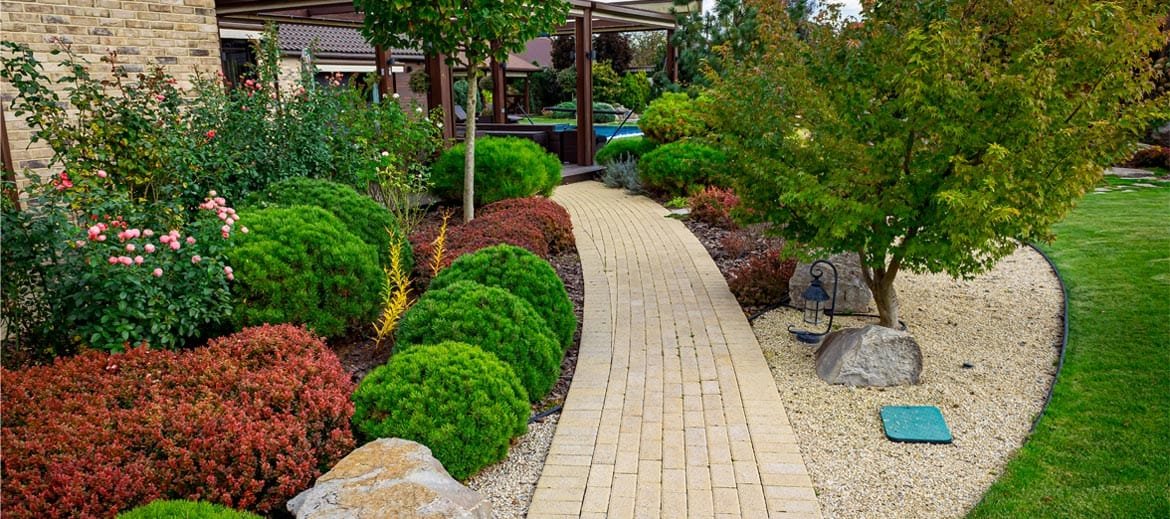
A garden room extends your living space without the cost and disruption of a traditional extension. The Plantsman delivers bespoke garden room design and build services across North London, combining thoughtful design with professional construction to create functional outdoor structures tailored to your property and lifestyle. Whether you need a home office, studio, or additional living area, a well-designed garden room adds value and versatility to your outdoor space.
Your North London property has specific conditions that affect how a garden room should be designed and positioned. Factors like orientation, existing landscaping, soil conditions, and local planning considerations all influence the final design. The Plantsman approaches each project with site-specific expertise, ensuring your garden room integrates seamlessly with your existing garden whilst meeting practical requirements for year-round use.
This article covers the complete process of designing and building a garden room in North London, from initial design concepts through to sustainable construction methods and customisation choices. You’ll understand what sets professional garden room services apart and how to make informed decisions about your project.
Creating a garden room that fits your North London property requires careful attention to spatial constraints, planning considerations, and individual requirements. Professional design services address everything from initial measurements through to material specification and final detailing.
Your design journey begins with a detailed site survey where designers assess your garden’s dimensions, access points, ground conditions, and orientation. They’ll measure boundaries, note existing trees or utilities, and photograph the space from multiple angles.
During initial consultations, you’ll discuss how you intend to use the space—whether as a home office, studio, gym, or guest accommodation. This determines essential features like electrical requirements, plumbing needs, heating systems, and storage solutions. Designers will also evaluate your property’s architectural style to ensure the garden room complements rather than conflicts with your home’s character.
You’ll review planning permission requirements specific to North London boroughs, as rules vary between Camden, Barnet, Islington, and Haringey. Many garden rooms fall under permitted development, but designers help navigate restrictions related to height, proximity to boundaries, and conservation areas.
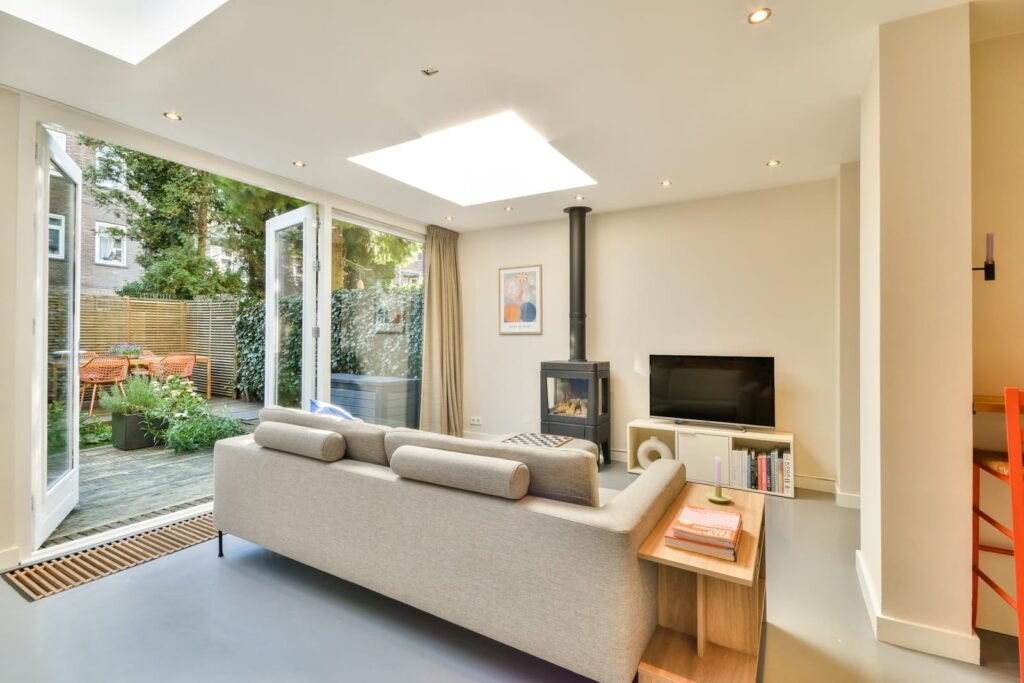
North London’s compact gardens demand efficient space planning. Designers create scaled drawings showing how the structure fits within your plot whilst maintaining adequate circulation space and preserving usable garden area.
They’ll propose layouts that maximise natural light through strategic window placement, often incorporating bi-fold or sliding doors on south-facing elevations. For narrower gardens, L-shaped or corner configurations can optimise footprint efficiency. Roof designs vary from flat contemporary styles to pitched options that echo traditional architecture.
You’ll receive 3D visualisations or rendered images showing exactly how the finished room appears from different viewpoints. These illustrations help you understand proportions, external cladding choices, and how the building relates to your house and surrounding gardens.
Exterior cladding options include timber boarding (such as cedar or larch), composite materials, or render systems. Cedar weathers to a silver-grey patina, whilst treated softwoods require periodic maintenance. Composite boards offer durability with minimal upkeep.
Your designer will specify insulation standards, typically exceeding building regulations for year-round comfort. Wall constructions might use structural insulated panels (SIPs) or traditional timber frames with high-performance insulation layers.
Internal finishes range from painted plasterboard to exposed timber linings or feature panelling. You’ll select flooring—engineered wood, luxury vinyl, or carpeting—alongside electrical fixtures, heating controls, and joinery details like skirting profiles and door handles.
Building a garden room requires careful planning and execution across multiple phases. North London specialists follow structured methodologies that prioritise quality foundations, streamlined construction, and transparent project oversight to deliver functional outdoor spaces.
The build process begins with a thorough site assessment of your North London garden. Contractors evaluate ground conditions, drainage requirements, and access points to determine the most suitable foundation type for your specific location.
Most garden rooms require either a concrete slab foundation or adjustable ground screws, depending on soil composition and terrain. Ground screws offer faster installation on sloped sites whilst concrete bases provide superior stability for larger structures. Your builder will obtain necessary measurements and check for underground utilities before excavation begins.
Proper groundwork includes levelling the site, installing appropriate drainage systems, and creating moisture barriers. These steps prevent future settlement issues and protect your investment from damp-related damage. The foundation stage typically takes 2-4 days, weather permitting.
North London garden room specialists employ modern construction methods that reduce build times without compromising quality. Prefabricated timber frames arrive pre-cut and treated, allowing for rapid assembly on your prepared foundation.
The typical build sequence follows this order:
Most garden rooms reach weather-tight status within 5-7 days. Builders coordinate trades efficiently to avoid delays between stages. You’ll have daily updates on progress and any adjustments required during construction.
Professional garden room builders provide detailed schedules outlining each phase from planning through completion. Standard projects in North London take 6-8 weeks total, including design approval and material procurement.
Your project manager handles planning applications if required, coordinates material deliveries, and schedules inspections. They serve as your single point of contact throughout the build, addressing queries and managing any unforeseen challenges that arise.
Reputable builders provide fixed-price quotations that include all materials, labour, and finishing work. Payment structures typically split into three stages: deposit upon contract signing, interim payment at weather-tight completion, and final balance after handover.
Modern garden room construction in North London prioritises environmental responsibility through energy-efficient design, responsibly sourced materials, and integration of natural elements like green roofing systems.
Your garden room’s thermal performance directly affects both comfort and running costs throughout the year. High-quality insulation in walls, floors, and ceilings keeps heat loss to a minimum during winter months whilst preventing overheating in summer. Double or triple-glazed windows with low-emissivity coatings provide excellent thermal retention without sacrificing natural light.
LED lighting systems consume significantly less electricity than traditional bulbs and generate minimal heat. Smart heating controls allow you to maintain optimal temperatures only when the space is occupied, reducing unnecessary energy consumption.
Solar panels can be integrated into garden room roofs to generate renewable electricity for lighting, heating, and power outlets. Air source heat pumps offer an efficient alternative to conventional heating systems, extracting warmth from outside air even in cold weather. Proper ventilation design ensures fresh air circulation without relying heavily on mechanical systems.
The materials selected for your garden room construction determine its environmental impact and longevity. Timber from FSC or PEFC certified forests ensures responsible forestry practices that protect ecosystems and support replanting programmes. Locally sourced materials reduce transportation emissions and support regional suppliers.
Reclaimed or recycled materials provide character whilst diverting waste from landfills. Sheep’s wool insulation offers excellent thermal performance as a natural, renewable alternative to synthetic options. Low-VOC paints and finishes improve indoor air quality by minimising harmful chemical emissions.
Durable materials reduce the need for frequent replacements and repairs over your garden room’s lifetime. Cedar and larch cladding naturally resist decay without requiring chemical treatments.
Green roofs transform your garden room into a habitat for wildlife whilst providing practical benefits. A sedum roof consists of hardy, drought-resistant plants that require minimal maintenance and create year-round visual interest. The vegetation layer absorbs rainwater, reducing runoff and alleviating pressure on drainage systems.
Living roofs provide natural insulation, keeping your space cooler in summer and warmer in winter. They also filter air pollutants and support local biodiversity by attracting bees, butterflies, and beneficial insects.
Vertical living walls maximise limited ground space in North London gardens by growing plants on exterior or interior surfaces. These installations improve air quality, reduce noise pollution, and create a striking visual feature. Modular systems with integrated irrigation simplify maintenance and ensure plants receive consistent moisture.
Garden rooms from The Plantsman offer extensive personalisation to match your lifestyle and aesthetic preferences. From configuring the space for multiple uses to selecting premium interior finishes, each decision shapes how you’ll experience your new room.
Your garden room can serve several functions depending on your household’s needs. A home office setup requires dedicated electrical circuits for computers, proper task lighting, and sufficient desk space along at least one wall. If you’re planning a gym, consider rubber flooring, mirror installation, and additional ventilation to manage moisture.
Art studios benefit from north-facing windows or skylights that provide consistent natural light throughout the day. You might combine a workspace with a relaxation area by incorporating fold-down furniture or moveable partitions. Entertainment rooms work well with built-in storage for equipment, soundproofing panels, and comfortable seating zones.
Some clients opt for adaptable designs that transform between uses—a yoga studio that converts to a guest bedroom, or a playroom with hidden storage that reveals a sophisticated entertaining space. The key is planning your electrical outlets, lighting circuits, and structural elements to accommodate your primary and secondary purposes.
Interior finishes significantly impact both the functionality and atmosphere of your garden room. Wall treatments range from painted plasterboard in any colour to timber cladding, exposed brick, or acoustic panelling depending on your intended use.
Flooring options include engineered wood, laminate, vinyl planking, carpet tiles, or polished concrete. Each material offers different benefits for insulation, durability, and maintenance. Engineered wood provides warmth and elegance but requires careful humidity control, whilst vinyl offers water resistance for gym or spa applications.
Ceiling treatments shouldn’t be overlooked—exposed rafters create height and character, whilst insulated plasterboard ceilings with recessed lighting offer a clean, contemporary look. Storage solutions like built-in shelving, window seats with hidden compartments, or bespoke cabinetry maximise your usable space without cluttering the room.
The Plantsman brings comprehensive garden services and deep understanding of North London’s unique environmental conditions to every garden room project. Their collaborative approach ensures your vision translates into a functional, beautifully integrated outdoor space.
The Plantsman operates exclusively in North London, which means they understand the specific soil conditions, microclimates, and planning considerations that affect garden room construction in the area. This local knowledge proves invaluable when selecting materials that withstand the region’s weather patterns and designing structures that complement North London’s distinctive architecture.
Their familiarity with local suppliers and contractors streamlines the build process. You benefit from established relationships that often result in better pricing and more reliable timelines. The team’s experience with North London council requirements helps navigate planning permissions efficiently, reducing potential delays.
Their comprehensive service offering extends beyond basic construction. The Plantsman handles design, landscaping, and planting integration, ensuring your garden room sits naturally within its surroundings rather than appearing as an afterthought.
The Plantsman prioritises direct communication throughout your project. You work with the same team from initial consultation through to completion, eliminating confusion that often arises when multiple parties handle different stages.
Their design process incorporates your specific requirements whilst offering professional guidance on practical considerations. This balanced approach means you receive a garden room tailored to your lifestyle without compromising on structural integrity or long-term functionality.
The company provides ongoing maintenance services after installation. This continuity ensures your garden room and its surrounding landscape remain in optimal condition. Their turn-key service model means you have a single point of contact for any questions or adjustments needed during and after the build.
Garden room projects in North London require careful planning around building regulations, material selection for the local climate, and integration with existing property features. Understanding the construction timeline and design requirements helps ensure a successful outcome.
The primary considerations include intended use, available space, and budget constraints. Your garden room’s purpose will dictate its size, insulation requirements, and internal layout.
Natural light orientation matters significantly in North London’s climate. Positioning windows to maximise southern exposure provides better year-round illumination whilst reducing heating costs. Sound insulation becomes important if you plan to use the space for music practice or as a home office requiring privacy.
Foundation requirements depend on your garden’s soil type and drainage conditions. Clay-rich soils common in parts of North London may require specific foundation solutions to prevent settling or moisture issues.
Most garden rooms qualify as permitted development, meaning you won’t need formal planning permission if they meet specific criteria. The structure must not exceed 2.5 metres in height if within 2 metres of a boundary, and the total garden buildings cannot cover more than 50% of your garden area.
Conservation areas and listed buildings face stricter regulations. North London contains numerous conservation zones where additional approvals are necessary regardless of structure size.
Building regulations approval differs from planning permission and typically applies to garden rooms intended for habitable use. Electrical work, insulation standards, and structural integrity all require compliance with current building regulations.
Timber framing with high-quality cladding offers excellent durability and visual appeal for North London gardens. Western red cedar and Siberian larch provide natural weather resistance without requiring extensive maintenance treatments.
Structurally Insulated Panels (SIPS) deliver superior thermal performance essential for year-round comfort in the UK climate. These panels maintain consistent internal temperatures whilst reducing heating and cooling costs significantly compared to traditional construction methods.
Glazing specifications impact both aesthetics and functionality. Double-glazed units with low-emissivity coatings prevent heat loss during winter months whilst reducing solar gain in summer.
Roofing materials should withstand frequent rainfall typical of the region. Rubber membranes or high-quality felt systems provide reliable waterproofing, whilst green roofs offer additional insulation and environmental benefits.
Matching or complementing your property’s existing materials creates visual harmony. If your home features brick construction, incorporating brick elements or choosing timber stains that echo existing woodwork ties the garden room to the main building.
Scale proportions matter when positioning the structure. A garden room should feel like a natural extension rather than an imposing addition, with height and footprint appropriate to your garden’s dimensions.
Landscaping integration softens boundaries between the new structure and existing garden features. Planting schemes that incorporate evergreen shrubs provide year-round screening whilst deciduous varieties add seasonal interest.
Pathway materials connecting your home to the garden room should reflect existing hardscaping. Matching paving, gravel, or decking creates cohesive circulation routes through your outdoor space.
Site preparation begins with clearing the footprint area and establishing level foundations. Concrete pads or adjustable screw piles provide stable bases depending on ground conditions and structural requirements.
Frame construction follows foundation completion, with timber or steel frameworks erected according to approved designs. Wall panels, roof structures, and glazing installations proceed systematically to weatherproof the building shell.
Electrical and plumbing installations occur before internal finishing. Qualified tradespeople must complete these services to meet building regulations standards.
Insulation installation ensures thermal efficiency meets current standards. Wall, floor, and roof insulation work together to create a comfortable environment throughout the year.
Internal and external finishing includes cladding installation, plastering, decorating, and flooring. These final stages transform the structural shell into a usable space tailored to your specifications.
Design consultations and planning typically require 2-4 weeks depending on complexity and decision-making speed. Custom designs with unique features need additional time for detailed specifications and material sourcing.
Construction duration ranges from 4-8 weeks for standard garden rooms. Weather conditions, material availability, and site access can extend this timeframe.
Planning permission applications, when required, add 8-13 weeks to the overall timeline. Building regulations approval processes run concurrently with construction in many cases, minimising delays.
Complex projects incorporating bespoke features, challenging access, or extensive groundwork may require 12-16 weeks from initial consultation to completion. Early engagement with your designer helps establish realistic timelines for your specific requirements.