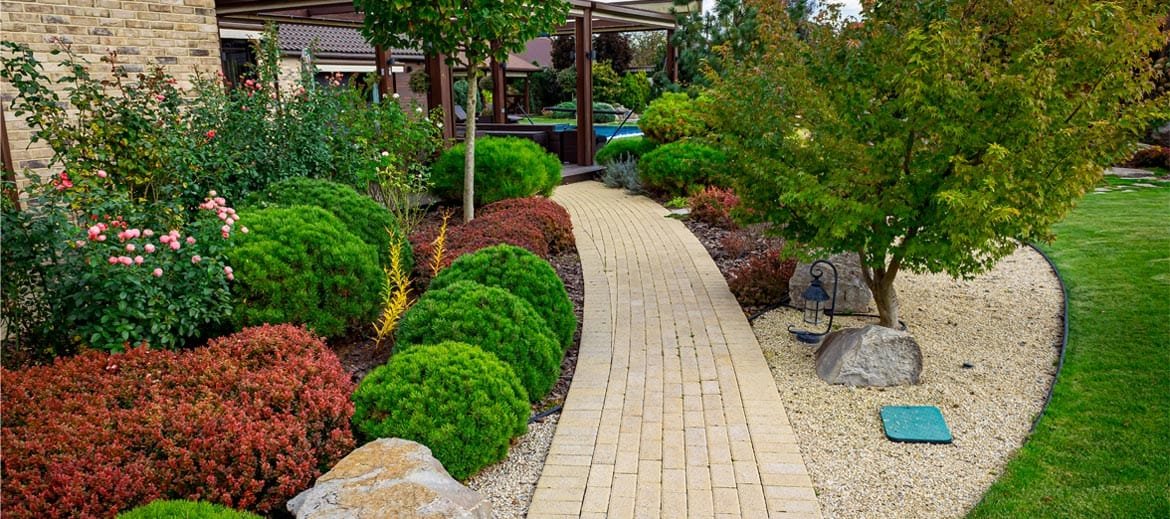
You can achieve a durable, low‑maintenance patio that suits North London’s varied weather and your home’s character when you pick porcelain paving installed by The Plantsman. Porcelain resists staining, absorbs little moisture and stays strong under heavy use, so your outdoor space looks cleaner for longer with less upkeep.
This article explains why porcelain suits North London conditions, how The Plantsman installs it to technical standards, how to choose plants that complement the paving, and what aftercare extends its life — helping you decide if porcelain is the right upgrade for your garden.
Porcelain paving gives you a hard-wearing surface that copes with local weather, cuts maintenance time, and lifts visual impact. It performs well on small city patios, raised beds and mixed-material drives around North London.
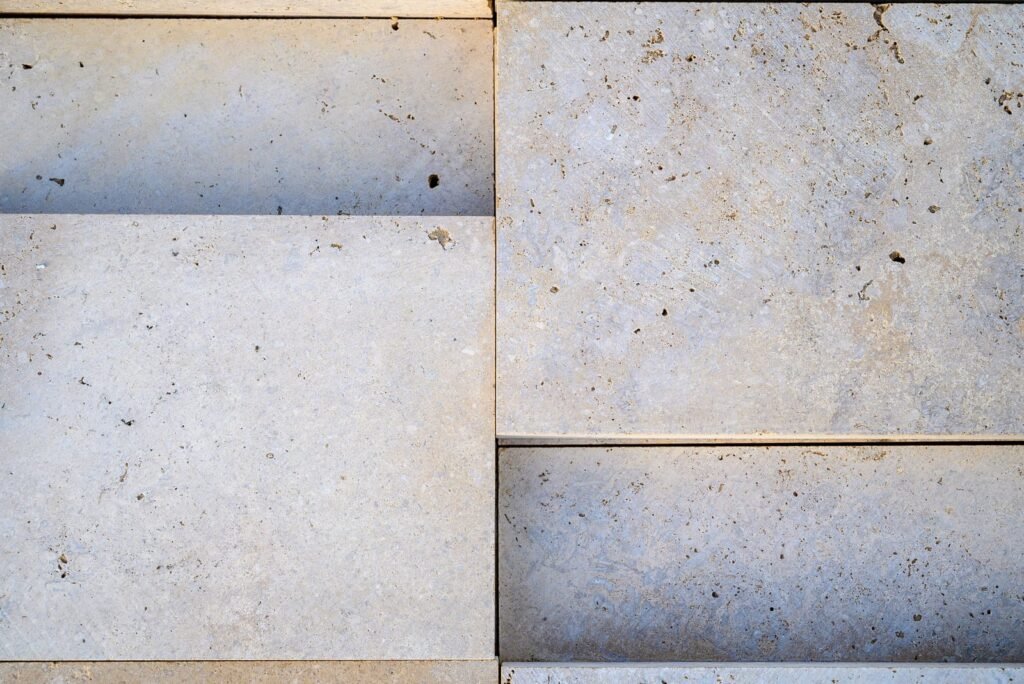
Porcelain slabs resist freeze–thaw cycles and heavy rain, important for North London’s wet winters and occasional cold snaps. Manufacturers vitrify the material, reducing porosity to near zero, so your paving won’t absorb water and crack when temperatures fall.
The dense body also resists staining from organic debris and pollution common in urban gardens. If you place slabs on a properly compacted sub-base and use suitable jointing, they’ll stay level under regular foot traffic and light vehicle use.
Porcelain holds colour and texture longer than many concrete alternatives. UV exposure on sunny days won’t cause rapid fading, so patterned or stone-look finishes retain their original appearance for years.
You’ll spend less time cleaning and sealing with porcelain than with natural stone or timber. A quick sweep and an occasional jet-wash remove moss, leaf litter and surface grime without damaging the tile or its finish.
Porcelain’s low porosity means fewer chemical cleaners and sealants are required. That reduces ongoing cost and the risk of surface film build-up, which can trap dirt and encourage slipperiness in shaded, north-facing gardens.
Repair is straightforward: individual slabs can be lifted and replaced if you need access to services or if one becomes damaged. With correct installation techniques—flexible adhesive on firm bedding—you reduce the likelihood of movement that would otherwise increase maintenance needs.
You can match porcelain to many North London garden styles: from sleek, minimal courtyard patios to classic terraced-house rear gardens. The range includes large-format slabs, wood and concrete-look finishes, and textured anti-slip surfaces for practical use.
Porcelain’s consistent sizing allows tight, modern joints or patterned layouts with contrasting bands or insets. That precision helps when integrating paved areas with decking, lawns or planted borders, giving a neat transition between materials.
If you favour a contemporary look, choose large, lightly veined slabs in neutral tones. For a traditional feel, pick textured stone-effect finishes that mimic natural granite or limestone without the variable colours and maintenance.
The Plantsman combines precise groundwork, specialist laying methods and careful jointing to achieve durable porcelain patios that perform in North London’s conditions. You’ll get a structured approach covering sub-base preparation, accurate levelling and grout or resin jointing chosen for longevity and appearance.
You’ll receive a site survey that records fall, soil type and existing drainage. The team checks for buried services, measures levels and identifies any tree roots or turf removal required.
The Plantsman specifies a compacted sub-base—typically Type 1 MOT or a resin-bound type—built to the patio’s load requirements. They set a minimum compacted depth (commonly 100–150mm for domestic patios) and plan drainage runs to protect your property from standing water.
You’ll be given a cutting plan for large-format porcelain to minimise waste and match veining. Edges are prepared with concrete haunching or stainless-steel edging where needed, and any access constraints are noted so machinery and materials are staged safely.
You will see porcelain laid on a full mortar bed or a flexible adhesive system depending on tile size and substrate. For low-porosity porcelain, The Plantsman often uses a slurry primer or contact adhesive to ensure bond strength.
Levelling follows a strict laser or screed-guided process to maintain consistent falls (typically 1–2% away from buildings). They use spacer systems and packers to control joint width and tile height, checking levels frequently with a spirit level or straight edge.
Large-format slabs may be lifted with suction cups and set on a bedding mortar that accommodates slight substrate movement. The team allows for thermal expansion with appropriately sized perimeter movement joints and isolates paving from fixed structures where necessary.
You’ll choose between polymeric grout, cementitious grout with additives, or a resin jointing compound depending on expected movement and footfall. The Plantsman matches joint colour to the porcelain to keep a cohesive look.
Joints are compacted and finished to a consistent profile, avoiding hollow spots that trap water. Perimeter joints receive a flexible sealant where paving meets walls or metal edging to prevent ingress and allow expansion.
Final tasks include brushing off excess joint material, cleaning with pH-neutral products and applying a recommended sealer if required for stain resistance. The team performs a post-installation inspection and provides maintenance guidance tailored to porcelain’s low-porosity characteristics.
Focus on plant choices that tolerate paved microclimates, provide year-round interest, and create visual balance with porcelain tones and joints.
Pick plants that cope with reflected heat and limited rooting volume near slabs. Use drought-tolerant perennials such as lavender (Lavandula angustifolia), Russian sage (Perovskia atriplicifolia) and sedums for low maintenance and reliable flowering.
In planted beds adjacent to paving, choose shrubs with shallow, non-invasive roots: Hebe, dwarf box (Buxus sempervirens ‘Suffruticosa’) and dwarf hydrangeas work well.
For planting in joints or narrow ribs, select tough, fine-textured species like thyme (Thymus serpyllum), dwarf mondo grass (Ophiopogon japonicus) or Sagina subulata.
Aim for a maximum mature height of 60–90 cm next to patios to preserve sightlines and ensure plants don’t overshadow seating areas.
Design pairings that deliver staggered interest through the year. Combine spring bulbs (Narcissus or Crocus) with early foliage of Hellebores and evergreen groundcover to give structure in late winter and spring.
For summer impact, pair tall, airy flowering perennials—e.g. Gaura, Echinacea—with low-lying grasses like Festuca glauca to contrast form and texture.
Autumn brings grasses (Miscanthus sinensis ‘Morning Light’) and asters for late colour, while structural evergreens and winter-flowering bergenia provide interest in the cold months.
Plan bloom succession and repeat colours across beds so views from the house and patio remain coherent from March to December.
Match planting scale and colour temperature to the porcelain finish. Cool grey or slate porcelain pairs with silver foliage (Artemisia, Stachys byzantina) and blue flowers; warm-toned porcelain works with golden grasses and warm-toned perennials (Santolina, Rudbeckia).
Use repeated plant motifs to tie different garden rooms together. Repeat a single structural shrub and one groundcover variety at intervals to create rhythm and unity.
Consider practical needs: locate serviceable plants away from drainage channels and choose species that resist staining the slabs.
Plan irrigation and root barriers where slabs sit over shallow soil to protect paving and keep plants healthy.
Proper aftercare keeps your porcelain paving looking new and extends its service life. Focus on routine cleaning, prompt stain removal, and proactive measures to prevent joint or surface damage.
Clean weekly during the growing season and monthly in winter to prevent grit build-up and organic staining. Use a stiff broom for dry debris and a low-pressure washer (max 80 bar) or hose to remove surface dirt. Avoid rotating rotary brushes or abrasive pads that can scratch the glaze.
For stubborn marks, apply a pH-neutral tile cleaner or a diluted mild detergent, agitate gently with a soft brush, then rinse thoroughly. For oil or food stains, treat immediately with an absorbent (e.g. cat litter) then clean with a degreaser formulated for porcelain. Do not use bleach or strong acids; they can damage joints and grout.
Protect glazed surfaces from metal scraping and dragging heavy furniture. Use felt pads under furniture feet and lift rather than drag pots. Re-seal polymeric or flexible joints as recommended by your installer—typically every 1–3 years depending on wear.