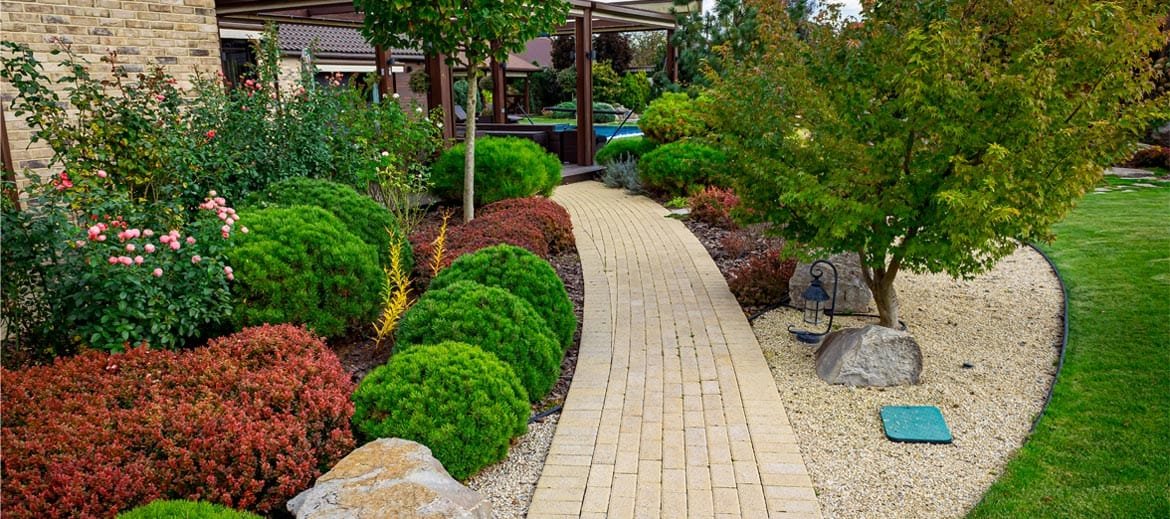
A good lawn can completely change the way a garden feels. It softens the edges of a property, gives children somewhere to play, creates a calm place to sit with a coffee, and makes the whole home look more cared for. But anyone living in North London knows that keeping grass green, even, and healthy is not always as simple as pushing a mower around once a week. Between shaded town gardens, clay-heavy soil, heavy foot traffic, unpredictable weather, and moss that seems to appear out of nowhere, lawns in this part of London need more than casual attention. That is where lawn care services in North London with the Plantsman become especially valuable.
The Plantsman approach to lawn care is not about quick surface-level tidying. It is about understanding what the lawn actually needs beneath the surface. A lawn is a living system, not a carpet. The grass, soil, roots, nutrients, moisture levels, drainage, sunlight, and surrounding plants all work together, and when one part struggles, the entire lawn starts to show it. Brown patches, spongy moss, thin grass, muddy areas, weeds, and uneven growth are usually symptoms of deeper problems rather than random bad luck. A skilled lawn care professional looks at the whole picture before deciding what to do.
For homeowners, landlords, property managers, and anyone who wants a presentable outdoor space without spending every weekend battling the lawn, professional support can save time, money, and frustration. The right service can help turn a tired patch of grass into a lawn that looks cleaner, stronger, and easier to maintain throughout the year. Whether you have a small back garden in Islington, a shaded lawn in Highgate, a family garden in Finchley, or a front lawn in Hampstead that needs regular attention, working with a knowledgeable local provider can make all the difference.
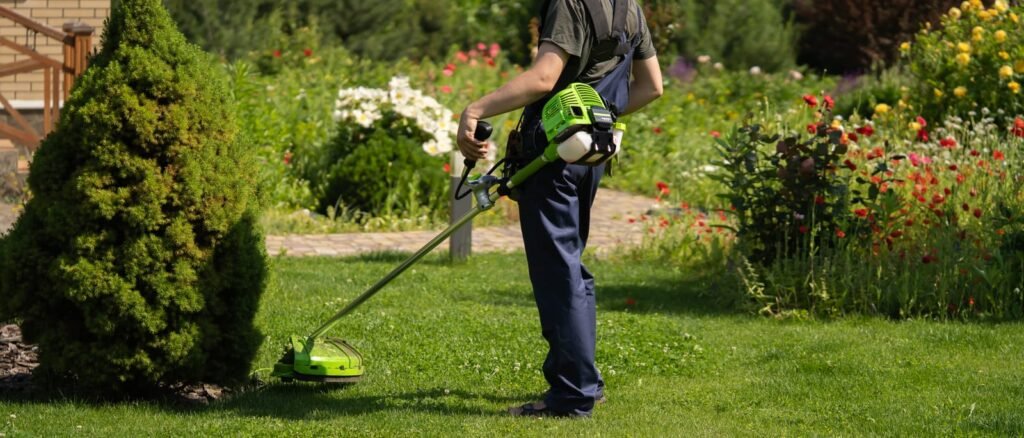
Professional lawn care matters because North London gardens often deal with a very particular mix of conditions. Many homes have compact outdoor spaces surrounded by walls, fences, mature trees, extensions, and neighbouring buildings. That means lawns may receive uneven sunlight, limited airflow, and heavy shade during certain parts of the day. Grass can survive in many conditions, but it rarely thrives when the soil is compacted, nutrients are low, and moisture sits in the wrong places. Over time, what starts as a slightly dull-looking lawn can turn into a patchy, mossy, weed-filled surface that feels more like a problem than a pleasure.
A professional lawn care service brings structure to the process. Instead of guessing whether your lawn needs more water, more cutting, more feeding, or complete renovation, a trained eye can identify the likely cause of the issue. For example, yellowing grass may not simply mean the lawn is dry. It could be underfed, stressed by dog urine, suffering from poor drainage, cut too short, or struggling because the soil is compacted. Treating the wrong problem can waste money and sometimes make the lawn worse. That is why experience matters so much.
The Plantsman can help by treating lawn care as an ongoing relationship rather than a one-off job. This is important because lawns change with the seasons. What works in April may be wrong in August, and what helps in October may not be suitable in February. Regular professional care gives the lawn a better chance to recover from stress and build strength over time. Think of it like looking after your own health. One healthy meal helps, but consistent care creates lasting results. A lawn works in much the same way.
Urban gardens are full of hidden challenges. In North London, many lawns are squeezed into spaces that were never designed with ideal growing conditions in mind. Tall houses block sunlight, patios and paving affect drainage, tree roots compete for water, and soil can become tired after years of use. Even a beautiful period property with a charming garden may have a lawn sitting on compacted ground, old building rubble, or heavy clay soil. From the surface, you might only see weak grass, but underneath there may be a whole story of poor structure, low oxygen, and restricted root growth.
One of the biggest problems in urban lawns is compaction. Every time people walk across the grass, children play football, garden furniture sits in one place, or pets run repeated paths, the soil gets pressed down. Compacted soil leaves less room for air, water, and roots. Grass roots then struggle to grow deeply, which makes the lawn weaker during dry weather and more vulnerable to disease, moss, and weeds. It becomes a bit like trying to grow a plant in a brick instead of loose, healthy soil. The grass may still exist, but it will not perform well.
Shade is another major issue. North London has plenty of mature trees and narrow gardens, which can be beautiful but difficult for grass. Shaded lawns often grow thinner, hold more moisture, and invite moss. Many homeowners respond by adding more seed or fertiliser, but without understanding the shade level and soil condition, the results may be disappointing. Professional lawn care helps by choosing practical solutions, whether that means improving soil health, adjusting mowing height, using suitable seed mixes, or recommending realistic design changes where grass simply cannot thrive.
Local knowledge is incredibly useful in lawn care because soil, climate, housing style, and garden use vary from area to area. A lawn in North London does not always behave like a lawn in a rural open field or a large suburban garden with full sun. Local professionals understand the everyday issues that appear across areas such as Camden, Barnet, Finchley, Highgate, Hampstead, Muswell Hill, Crouch End, Stoke Newington, and Islington. They know that lawns may be shaded by terraces, affected by clay soil, squeezed between hard landscaping, or damaged by heavy use in smaller family gardens.
The Plantsman’s local understanding can help homeowners avoid generic advice that sounds good but fails in real life. For example, cutting the lawn very short might create a neat appearance for a few days, but in a shaded North London garden it can weaken the grass badly. The plant needs enough leaf surface to capture light, especially where sunlight is already limited. A local lawn care expert is more likely to adjust mowing heights, feeding schedules, and renovation methods to suit the actual garden rather than follow a rigid rulebook.
There is also value in knowing how seasonal weather affects local lawns. London can experience dry spells, heavy rain, mild winters, and sudden temperature changes. These conditions influence when to scarify, when to aerate, when to feed, and when to overseed. Timing is everything. Done at the wrong moment, even a helpful treatment can stress the lawn. Done at the right moment, the same treatment can encourage strong recovery. That is why local experience is not just a nice extra. It can be the difference between temporary improvement and long-term lawn health.
Choosing the Plantsman for lawn care services in North London makes sense for people who want thoughtful, practical, and well-informed garden care. The name itself suggests plant knowledge, and that matters because lawn care is not only about grass cutting. A lawn is part of a wider garden environment. Nearby shrubs, trees, borders, hedges, soil conditions, drainage routes, and sunlight patterns all affect how the lawn performs. A service that understands plants as living things can approach the lawn with more care than a basic maintenance company focused only on speed.
A smart lawn care service should begin with observation. What type of grass is growing? Where are the weak areas? Is moss forming in shade or because of compaction? Are weeds spreading because the grass is thin? Is the mower cutting cleanly, or is it tearing the blades? Are there dips where water collects? These details matter. The Plantsman-style approach is valuable because it encourages careful diagnosis before action. That means the lawn gets the treatment it actually needs rather than a generic service that may look tidy at first but fail to solve the real problem.
For busy homeowners, this kind of service also brings peace of mind. You do not need to become a lawn expert yourself or spend hours reading conflicting advice online. Instead, you can rely on someone who understands the rhythm of garden care and can recommend sensible steps. Some lawns need regular mowing and feeding. Others need scarification, aeration, overseeding, or soil improvement. Some need a complete reset. The right professional will be honest about what is realistic and help you invest in improvements that match your garden, budget, and expectations.
A hands-on approach is one of the most important qualities in effective lawn care. Lawns cannot be properly assessed from a distance or treated using guesswork alone. A professional needs to look closely, feel the soil, check moisture levels, notice how the grass responds to mowing, and understand how the space is actually used. A family garden with children, pets, and regular barbecues has very different needs from a quiet ornamental front lawn designed mainly for kerb appeal. The best lawn care plan reflects real life, not an imaginary perfect garden.
The Plantsman approach works well because it can combine practical maintenance with plant-based understanding. For instance, if a lawn is thin under a tree, the answer may not be simply to throw down more seed. The tree may be competing for moisture, blocking light, and dropping leaves that increase dampness. A hands-on professional can decide whether the area needs shade-tolerant seed, improved airflow, careful pruning nearby, better leaf clearance, or even a different groundcover in the most difficult spots. That kind of judgement comes from looking at the whole garden as a connected space.
Hands-on care also means noticing small issues before they grow into expensive problems. A little moss can be managed. A small bare patch can be repaired. A mower blade that is damaging the grass can be corrected. But left alone, these things can spread. Lawn care is often easier and cheaper when problems are handled early. Just like a small leak in a roof, a small lawn issue may not look dramatic at first, but ignoring it rarely makes it better. Regular attention keeps the garden moving in the right direction.
One-size-fits-all lawn care is tempting because it sounds simple. A company might offer a standard treatment plan, a standard feed, a standard mowing schedule, and a standard price. But lawns are not standard. A sunny lawn on free-draining soil needs different treatment from a shaded lawn on heavy clay. A newly laid lawn needs different care from an old lawn full of weeds and moss. A small city garden with pets needs a different maintenance plan from a formal front lawn that mainly needs visual polish. Practical advice is more valuable than a rigid package.
The Plantsman can stand out by offering advice that fits the actual lawn. That might mean recommending aeration before feeding because compacted soil is stopping nutrients from reaching the roots properly. It might mean raising the mowing height during dry weather to reduce stress. It might mean suggesting overseeding after scarification to prevent weeds from taking advantage of bare soil. These are not flashy tricks. They are sensible, experience-based decisions that help the lawn recover in a natural and steady way.
Good advice also includes honesty. Not every lawn can become a bowling green, and not every garden needs one. Some homeowners want a practical, healthy lawn that can handle children and pets. Others want a crisp, highly maintained finish. Some want an eco-friendlier lawn with fewer chemicals and more tolerance for clover or wild edges. A good lawn care provider listens before recommending. The goal is not to force every garden into the same mould. The goal is to help each lawn become the best version of itself.
Core lawn care services usually include mowing, edging, feeding, weed control, moss treatment, scarification, aeration, overseeding, top dressing, patch repair, and seasonal maintenance. Each service plays a different role, and the best results often come from combining them in the right order. Mowing keeps grass neat and encourages thicker growth when done correctly. Feeding supports colour and strength. Weed and moss control reduce competition. Scarification removes thatch and moss buildup. Aeration relieves compaction. Overseeding thickens the lawn. Top dressing improves the surface and supports healthier soil.
For North London homes, the right combination depends heavily on the garden’s condition. A lawn that is simply growing too long may only need routine mowing and edging. A lawn that feels spongy underfoot may need scarification to remove moss and thatch. A lawn that turns muddy in winter and rock-hard in summer may need aeration to improve air and water movement. A lawn that looks thin after years of wear may need overseeding and feeding. These services are not random add-ons. They are tools used to solve specific problems.
The Plantsman can help homeowners understand which services matter most and when they should be carried out. This matters because doing everything at once is not always wise. Some treatments are best in spring or autumn, while others can be adjusted across the growing season. A professional plan avoids overworking the lawn and gives it time to respond. The result is a healthier, more resilient garden surface that looks better and needs less emergency rescue work later.
Lawn mowing sounds simple, but it is one of the most misunderstood parts of lawn care. Many people cut too short, cut too irregularly, or mow with dull blades. Short mowing may look neat for a moment, but it can weaken the grass, expose the soil, encourage weeds, and increase stress during dry weather. Grass needs leaf area to produce energy. When too much is removed at once, the plant struggles to recover. A good mowing routine keeps the lawn tidy while still protecting its health.
Regular maintenance is especially important in North London because many gardens are small and highly visible. A slightly untidy lawn can quickly make the whole outdoor space feel neglected. Clean edges, even cutting, and sensible mowing height create an immediate improvement. But maintenance is not only cosmetic. Frequent, correct mowing encourages denser growth, and denser grass leaves less space for weeds to establish. The lawn becomes stronger simply because it is being managed in a steady, balanced way.
The Plantsman can provide mowing and maintenance that suits the season and the lawn’s condition. During strong growth periods, mowing may need to be more frequent. During dry or stressful periods, mowing should often be reduced or adjusted. Clippings may be collected for a clean finish or sometimes finely mulched where appropriate to return nutrients to the soil. Edging around paths, beds, and borders also makes a major difference. Like trimming a picture frame, neat edges help the whole garden look sharper, even before any deeper lawn treatments begin.
Feeding gives grass the nutrients it needs to grow strongly, maintain colour, and recover from stress. But lawn feeding should be done carefully. Too much fertiliser can scorch grass, encourage weak growth, or create imbalance. Too little leaves the lawn pale and thin. The right feed, applied at the right time, supports healthy roots and stronger blades. Spring feeds often encourage growth after winter, while autumn feeds usually focus more on root strength and resilience. This seasonal difference matters because the lawn’s needs change throughout the year.
Weed control is another key part of lawn care. Weeds often appear when grass is weak, thin, or cut too short. Dandelions, daisies, plantain, clover, and other common lawn weeds take advantage of open space and low competition. Removing them is helpful, but preventing them is even better. A thick, healthy lawn naturally blocks many weeds by leaving less room for them to germinate. That is why weed control works best alongside mowing, feeding, aeration, and overseeding rather than as a standalone fix.
Moss treatment is especially relevant in North London gardens because shade and damp conditions are common. Moss often appears where grass is struggling, so killing moss without improving the conditions may only produce short-term results. After moss is treated, scarification may be needed to remove the dead material, followed by aeration, overseeding, or feeding to help grass reclaim the space. The Plantsman can help manage this process properly, turning a mossy lawn from a recurring headache into a healthier, more balanced part of the garden.
Scarification and aeration are two of the most valuable lawn care treatments, but they are often overlooked until the lawn looks seriously tired. Scarification removes moss, dead grass, and thatch from the surface. Thatch is a layer of organic material that builds up between the green grass and the soil. A little is normal, but too much prevents water, air, and nutrients from reaching the roots properly. The lawn may look green in places but feel spongy and weak underneath. Scarification clears the way for healthier growth.
Aeration tackles a different problem: compacted soil. By creating holes in the lawn, aeration allows air, water, and nutrients to move down into the root zone. This encourages deeper rooting and helps the lawn cope better with both wet and dry conditions. In North London gardens, where clay soil and foot traffic are common, aeration can be a game changer. It gives the roots breathing room. Imagine trying to run a marathon while breathing through a straw. That is what compacted soil feels like for grass roots. Aeration removes the straw.
Seasonal recovery often combines scarification, aeration, overseeding, and feeding. After heavy use in summer or moss buildup in winter, the lawn may need a structured recovery plan. The Plantsman can carry out these treatments at suitable times, usually when the grass has enough growing strength to recover. Done properly, these services help transform thin, tired lawns into thicker, healthier surfaces. The process may look dramatic at first, especially after scarification, but the temporary roughness is part of the renewal. Like pruning a shrub, removing weak material can encourage stronger future growth.
Seasonal lawn care is essential because lawns do not need the same treatment all year round. Grass grows actively during milder months and slows down during cold, dry, or stressful periods. In North London, seasonal conditions can shift quickly. A wet spring may create lush growth and moss. A dry summer may leave lawns brown and stressed. A mild autumn may extend the growing season, while winter can bring waterlogging, frost, and muddy patches. A good lawn care plan moves with the year instead of fighting against it.
The Plantsman can help homeowners understand the rhythm of the lawn. Spring is often about waking the lawn up, encouraging growth, dealing with moss, and preparing for heavier use. Summer is about careful mowing, watering advice, and stress reduction. Autumn is one of the best times for repair, overseeding, aeration, and feeding. Winter is usually about protection rather than aggressive treatment. Each season has a purpose, and skipping one can create problems later.
This seasonal approach also helps avoid wasted effort. For example, overseeding during harsh summer heat may fail if the seed dries out. Heavy scarification during poor recovery conditions may leave the lawn weak. Feeding at the wrong time may encourage growth when the plant should be strengthening its roots. Professional seasonal care improves timing, which improves results. Gardening is a bit like cooking. The same ingredients can turn out beautifully or badly depending on when and how they are used. Lawn care is no different.
Spring is the season when many homeowners look out at the garden and realise the lawn needs help. After winter, grass may look pale, thin, mossy, or uneven. Wet weather, low light, and reduced growth can all leave their mark. Spring lawn preparation focuses on helping the grass recover and preparing it for the busy months ahead. This may include the first careful cuts of the year, light feeding, moss control, edging, and assessing whether scarification or overseeding is needed.
One common mistake in spring is mowing too aggressively too soon. After winter, the grass needs time to build strength. Cutting too short can shock it, especially if the soil is still cold or wet. A professional approach usually starts gently, lowering the height gradually as growth improves. This keeps the lawn looking neat without stripping away too much leaf. The Plantsman can judge the right timing based on the condition of the lawn rather than simply following the calendar.
Spring is also a good time to identify problem areas. Bare patches, muddy spots, mossy zones, and weed growth all tell a story. If the lawn is thin, overseeding may help. If the soil is compacted, aeration may be needed. If moss dominates, treatment and scarification may be appropriate. Spring preparation is about setting the direction for the year. A lawn that starts the growing season well is much more likely to handle summer use, family activity, and dry spells with confidence.
Summer lawn care is all about protection and balance. Many people expect their lawn to look perfect in summer, but this is also the season when grass faces some of its toughest stresses. Dry weather, higher temperatures, barbecues, garden furniture, children playing, pets running, and frequent mowing can all take a toll. A lawn may turn brown during dry spells, but that does not always mean it is dead. Grass often enters a dormant state to survive drought, then greens up again when rain returns. The trick is knowing when to intervene and when to let nature do some of the work.
Mowing height matters a lot in summer. Cutting too short exposes the soil to heat, increases moisture loss, and weakens the grass. Slightly longer grass shades its own roots and holds moisture better. This is especially useful in North London gardens where lawns may already be under pressure from compacted soil or heavy use. The Plantsman can adjust mowing routines to suit the weather, avoiding unnecessary stress and helping the lawn stay stronger for longer.
Watering advice is also important. Light daily sprinkling often encourages shallow roots, while deeper, less frequent watering can be more effective when watering is needed. Local restrictions and environmental responsibility should always be considered, especially during dry periods. Summer is not always the best time for major renovation work, but it is a good time for careful maintenance, observation, and protection. A well-managed summer lawn may not always stay emerald green, but it can stay healthy enough to recover beautifully when conditions improve.
Autumn is one of the most important seasons for lawn improvement. The soil is often still warm, moisture levels are usually better, and grass can recover well before winter slows growth. This makes autumn a strong time for aeration, scarification, overseeding, top dressing, and autumn feeding. After the wear and tear of summer, the lawn gets a chance to repair itself. Treating the lawn in autumn is like giving it a good meal and a warm coat before a difficult season. It enters winter stronger and comes out better in spring.
Winter care is more about protection than transformation. Grass grows slowly in cold weather, and the soil can become wet and vulnerable. Heavy traffic on frosty or waterlogged grass can damage the plant and compact the soil. Leaves should be cleared because they block light and trap moisture, creating ideal conditions for moss and disease. Mowing may still be needed occasionally during mild spells, but it should be done carefully and only when conditions are suitable.
The Plantsman can guide homeowners through this quieter but crucial part of lawn care. Many people ignore the lawn in winter and then wonder why it looks poor in spring. A little attention during the colder months can prevent bigger problems later. Clearing debris, avoiding unnecessary wear, managing drainage concerns, and planning spring treatments all help. Autumn and winter lawn care may not feel as exciting as a freshly cut summer lawn, but it lays the foundation for healthier growth when the garden wakes up again.
North London lawns often suffer from a familiar set of problems: moss, weeds, patchy growth, compacted soil, shade damage, poor drainage, pet damage, and worn areas from foot traffic. These issues are common because many gardens are small, enclosed, and heavily used. A lawn may need to be a play area, a pet zone, a dining space, a shortcut to the shed, and a decorative feature all at once. That is a lot to ask from one patch of grass.
Patchiness is one of the most frustrating problems because it makes the lawn look neglected even when it is being mowed regularly. Bare areas allow weeds to move in, and once weeds establish, they compete with grass for light, water, and nutrients. Moss creates a similar issue by filling spaces where grass is weak. The visible problem is often only the final stage. The real cause may be shade, compaction, poor nutrition, unsuitable mowing, or drainage problems.
The Plantsman can help by diagnosing the cause rather than treating only the symptom. This is important because two lawns can look similar but need different solutions. A thin lawn caused by shade needs different handling from a thin lawn caused by low nutrients. A muddy patch caused by poor drainage needs different work from a muddy patch caused by repeated foot traffic. Proper diagnosis saves time and helps avoid disappointment. Lawn care is not magic, but with the right knowledge, it can feel surprisingly close.
Patchy grass is often a sign that the lawn is struggling below the surface. In shaded North London gardens, grass may become thin because it cannot produce enough energy. Under trees, it may also compete with roots for water and nutrients. In narrow gardens, buildings may block sunlight for much of the day. The result is weak, sparse growth that never seems to fill in properly. Throwing seed at the problem may help temporarily, but unless the underlying conditions improve, the patchiness often returns.
Compacted soil makes the problem worse. When soil is pressed down, roots cannot spread easily, water may sit on the surface, and oxygen levels drop. Grass with shallow roots becomes less resilient, especially during heat, drought, or heavy use. Aeration can help relieve compaction, but it may need to be part of a broader plan that includes top dressing, overseeding, and better maintenance habits. The Plantsman can assess whether compaction is a major factor and recommend the right treatment.
Shade issues require realistic thinking. Some grasses cope better with shade than others, and raising the mowing height can help shaded grass capture more light. Pruning nearby plants may improve airflow and sunlight where appropriate. In very deep shade, however, a traditional lawn may never perform well. A good professional will not pretend otherwise. Sometimes the best solution is a shade-tolerant seed mix, and sometimes it may be better to rethink that area with planting, bark, stepping stones, or another groundcover. Honest advice leads to better gardens.
Family gardens work hard. Children play, dogs run, guests gather, furniture moves around, and certain routes across the lawn get used again and again. Over time, this creates worn tracks, muddy patches, compacted soil, and uneven growth. Pets can add another challenge, especially dogs. Urine can scorch grass and create yellow or brown patches because of concentrated nitrogen and salts. Running routes near fences or gates can become bare, especially in wet weather. These problems are normal, but they need practical management.
A lawn used by a busy household should be maintained differently from a lawn that is mostly decorative. It may need stronger grass varieties, regular aeration, careful feeding, and overseeding to keep it dense. Mowing height should support resilience rather than just appearance. Worn areas may need temporary rest or repair. The Plantsman can help create a realistic care routine that accepts how the garden is actually used. There is no point designing a fragile lawn for a lively family space. The best lawn is one that fits your life.
Pet-related lawn care also benefits from quick action. Watering affected spots soon after use can reduce damage, while repair treatments can help restore scorched patches. In some cases, changing the layout of the garden or adding paths can reduce repeated wear. The goal is not to stop people and pets enjoying the garden. The goal is to make the lawn strong enough to cope. A good family lawn is like a good pair of shoes: it should look decent, but it also needs to handle everyday use.
Choosing the right lawn care service in North London should not be based only on price. A low-cost visit may seem attractive, but if the work is rushed, poorly timed, or based on guesswork, it can cost more later. Lawn care involves living plants, and mistakes can take weeks or months to correct. Overfeeding, cutting too short, scarifying at the wrong time, or using the wrong treatment can all damage the lawn. A trustworthy provider should be able to explain what they are doing and why.
Look for a service that takes time to assess the lawn before recommending treatment. The best providers ask questions about how the garden is used, how often it is maintained, where problems appear, and what results you want. They should be comfortable discussing mowing, feeding, weeds, moss, drainage, soil compaction, shade, and seasonal care. The Plantsman is a strong fit for homeowners who value thoughtful garden knowledge rather than a purely mechanical service.
It is also worth thinking about communication. Good lawn care is a partnership. You should know what to expect after treatment, how to care for the lawn between visits, and when results are likely to show. Some treatments create immediate visual improvement, while others take time. Scarification, for example, may make a lawn look rough before it improves. A reliable professional prepares you for that process. Clear advice builds confidence and helps you make better decisions for your garden.
Before booking a lawn care service, ask what the lawn actually needs and how the provider has reached that conclusion. A confident professional should be able to explain the likely causes of visible problems. Are weeds spreading because the lawn is thin? Is moss caused by shade, dampness, or compaction? Is the grass weak because it is being cut too short? These questions help separate genuine expertise from guesswork. You do not need a lecture, but you do deserve a clear explanation.
It is also useful to ask about timing. Some treatments should only be done when the lawn is actively growing and able to recover. Scarification, overseeding, and certain feeds all depend on suitable conditions. Ask whether the treatment is right for the current season or whether it would be better to wait. A good provider will not push unnecessary work simply to make a booking. The Plantsman’s value lies in giving practical, honest recommendations that suit the lawn’s condition and the season.
You may also want to ask about aftercare. What should you do after overseeding? When can the lawn be walked on? Should you water after feeding? How soon should the next cut happen? Aftercare can make or break the result. Even the best professional treatment needs the right follow-up. Asking these questions before booking helps you understand the full service, not just the visit itself. It also shows that the provider sees your lawn as a long-term project rather than a quick transaction.
Cheap lawn care can be tempting, especially when the lawn looks like a simple job. But poor lawn care can create hidden costs. Cutting too short may weaken the grass and invite weeds. Using the wrong fertiliser may scorch the lawn. Scarifying too harshly or at the wrong time may leave bare soil exposed. Ignoring compaction may mean treatments never work properly. What looked like a bargain can turn into a cycle of repairs, reseeding, and frustration.
The real value of professional lawn care is not just labour. It is judgement. Knowing when not to do something is just as important as knowing when to act. For example, a lawn may look like it needs heavy feeding, but if the soil is compacted, aeration may be more urgent. A mossy lawn may need scarification, but if the grass is weak and recovery conditions are poor, timing matters. Cheap services often rely on speed and volume, which leaves little room for careful decision-making.
With the Plantsman, the focus should be on lasting improvement rather than quick cosmetic fixes. A healthy lawn is built through consistent care, correct timing, and attention to detail. Spending wisely on the right treatments can reduce the need for repeated emergency work later. It is similar to maintaining a car. Skipping proper servicing might save money today, but breakdowns cost more tomorrow. A lawn is alive, so it responds best to steady, skilled care rather than rushed shortcuts.
Regular lawn maintenance brings both visual and practical benefits. The obvious benefit is appearance. A well-maintained lawn makes the entire garden look cleaner, calmer, and more inviting. It improves kerb appeal at the front of the house and creates a more enjoyable living space at the back. Even simple details like neat edges and consistent mowing can make borders, patios, and planting look better. The lawn acts like the green canvas that holds the garden together.
The deeper benefit is health. Regular mowing at the right height encourages thicker growth. Feeding at suitable times supports colour and resilience. Aeration helps roots breathe. Scarification prevents thatch and moss from taking over. Overseeding keeps the lawn dense and reduces opportunities for weeds. When these tasks are handled consistently, the lawn becomes easier to manage. Instead of constantly reacting to problems, you start preventing them. That is the difference between lawn rescue and lawn care.
For busy North London residents, regular maintenance also saves time. Many people want a good garden but do not want to spend every weekend managing it. Professional care gives you back that time while improving the result. You can enjoy the garden without turning lawn care into another chore on an already crowded list. The Plantsman can help keep the lawn in shape throughout the year, adjusting care as the seasons change and the lawn’s needs evolve. A healthier lawn is not created in one dramatic moment. It is built through steady, intelligent attention.
A beautiful lawn does not happen by accident, especially in North London. The combination of shade, compacted soil, heavy use, moss, weeds, clay conditions, and unpredictable weather can make lawn care feel like a never-ending battle. But with the right approach, even a tired lawn can often be improved. The key is understanding what the grass needs, treating the causes of problems rather than only the symptoms, and giving the lawn consistent care across the seasons.
Lawn care services North London with the Plantsman offer a practical, knowledgeable way to keep your garden looking healthier and more inviting. From regular mowing and feeding to scarification, aeration, overseeding, moss treatment, and seasonal recovery, professional support can make lawn care simpler and more effective. Instead of guessing your way through products, tools, and conflicting advice, you get a tailored plan based on your lawn’s real condition.
A lawn is more than a patch of grass. It is where summer evenings happen, where children play, where pets stretch out, where friends gather, and where a home feels connected to nature. Looking after it properly is an investment in the whole garden. With thoughtful local care from the Plantsman, your North London lawn can become greener, stronger, and far easier to enjoy.
Most lawns need regular mowing during the main growing season, usually from spring through autumn. The exact frequency depends on grass growth, weather, lawn condition, and how neat you want the garden to look. In strong growth periods, weekly or fortnightly mowing may be suitable, while dry or cold periods may require less frequent cutting. The important thing is not to remove too much grass at once, as this can stress the lawn and weaken growth.
Scarification is usually best carried out when the grass is actively growing and able to recover, often in spring or autumn. Autumn is especially useful for heavier scarification because moisture levels are usually better and the lawn has time to repair before winter. Scarifying at the wrong time can leave the lawn looking bare and stressed. A professional assessment helps decide whether your lawn is ready and how intensive the treatment should be.
Moss can be treated and reduced, but it may return if the underlying conditions remain the same. Moss often appears because of shade, dampness, poor drainage, compacted soil, low nutrients, or weak grass growth. Removing moss is only part of the solution. The lawn may also need aeration, feeding, overseeding, improved mowing, or better light and airflow. Long-term moss control is about making conditions better for grass and less comfortable for moss.
Yes, professional lawn care can be very worthwhile for small gardens because every detail is more visible. In a compact North London garden, a patchy or mossy lawn can affect the entire look of the space. Professional care can improve the lawn’s health, make maintenance easier, and help avoid wasted money on unsuitable treatments. Small lawns still need proper mowing, feeding, aeration, and seasonal attention, just like larger lawns.
Bare patches can be caused by several issues, including shade, compacted soil, pet damage, heavy foot traffic, poor drainage, pests, disease, or mowing too short. The best solution depends on the cause. Simply adding seed may not work if the soil is compacted or the area receives too little light. A lawn care professional can inspect the affected areas and recommend the right mix of repair, overseeding, aeration, feeding, or layout changes.