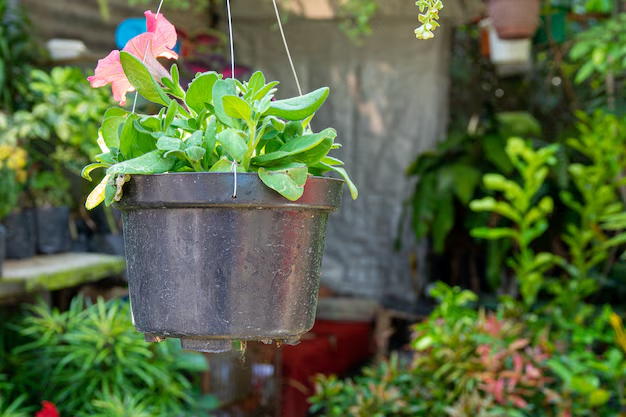
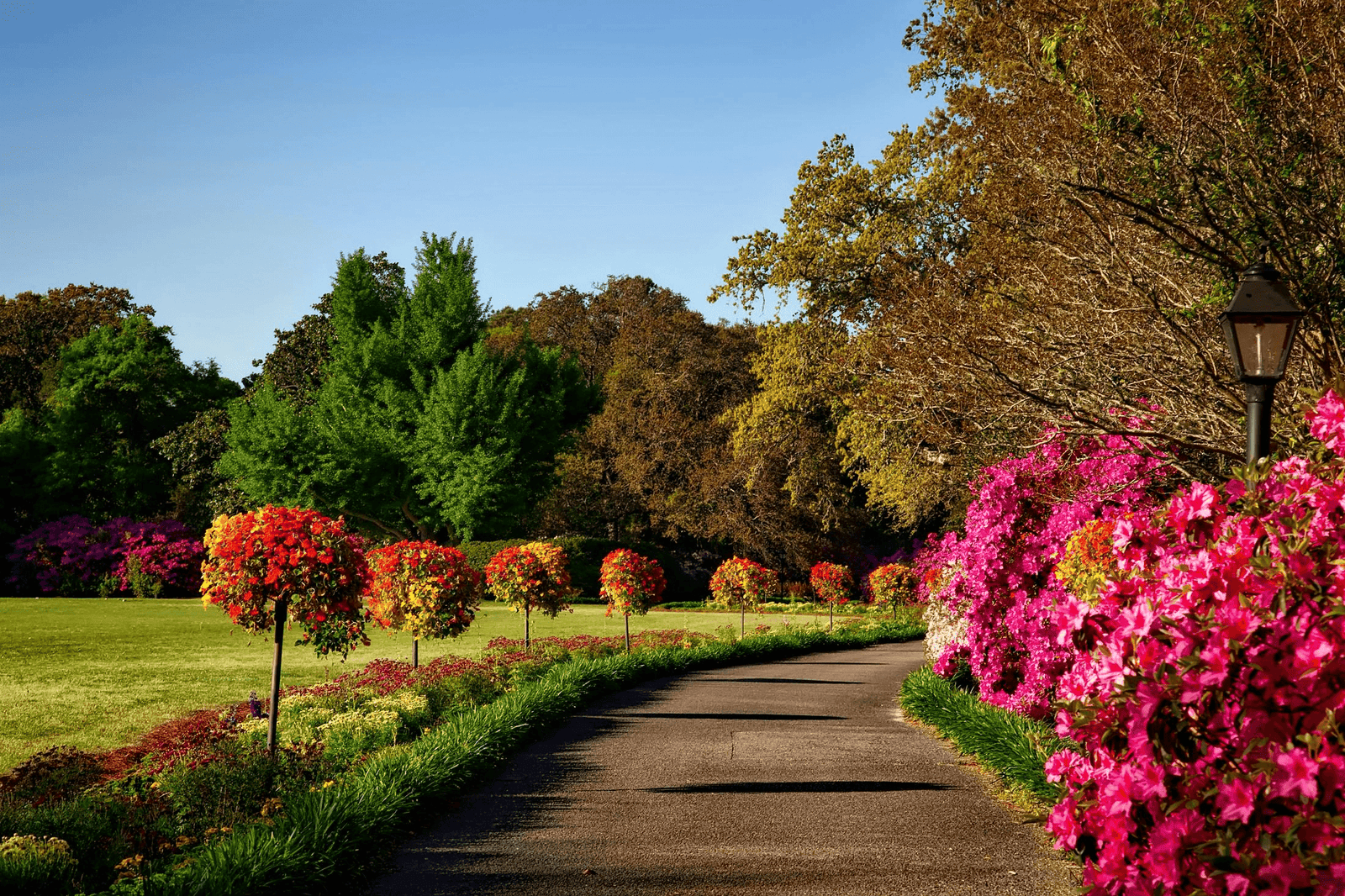
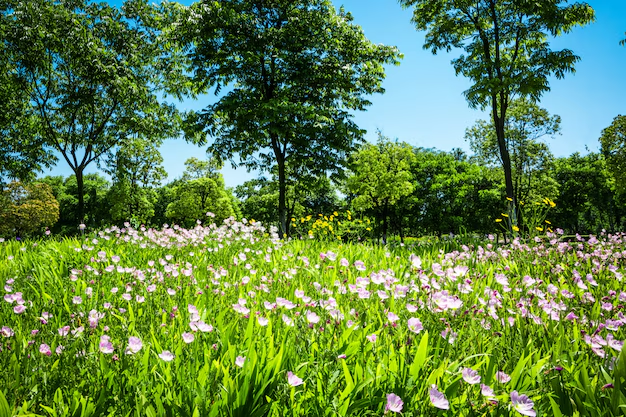
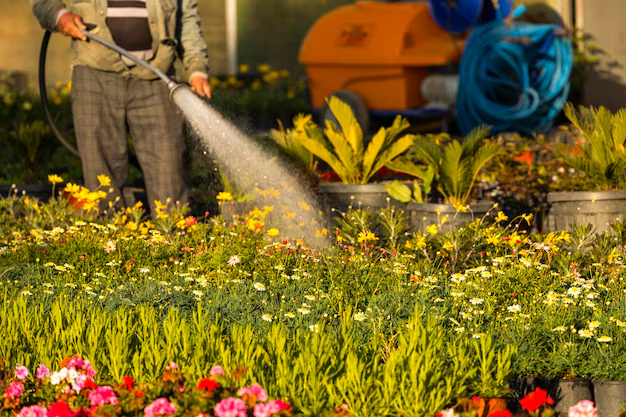
Neighborhood Gardens are community spaces where residents collaborate to cultivate plants, flowers, and food. These gardens not only beautify urban areas but also promote sustainability, self-sufficiency, and community engagement. Often established in vacant lots or shared spaces, neighborhood gardens provide a green oasis in cities, offering a place for residents to connect with nature, grow their own produce, and learn new skills. They can range from small garden plots to larger, more organized spaces that host a variety of plants, from vegetables and herbs to native flowers and shrubs.These gardens foster a sense of community by bringing people together with a shared purpose. Neighbors of all ages and backgrounds can participate, whether through planting, gardening education, or organizing events. This collaboration strengthens social bonds and creates opportunities for learning and cultural exchange. Neighborhood gardens also play a significant role in addressing food insecurity by offering access to fresh, locally grown produce, especially in urban areas where grocery stores may not be easily accessible.