
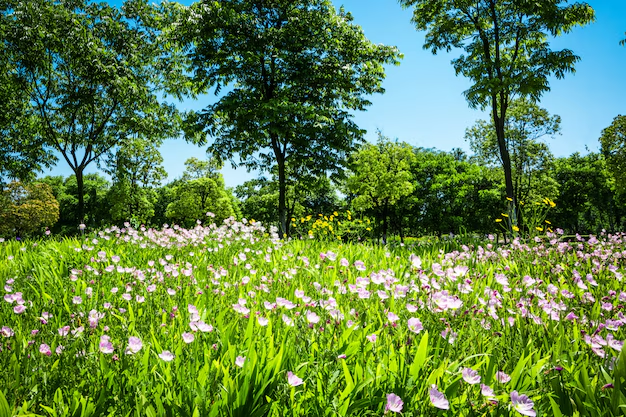
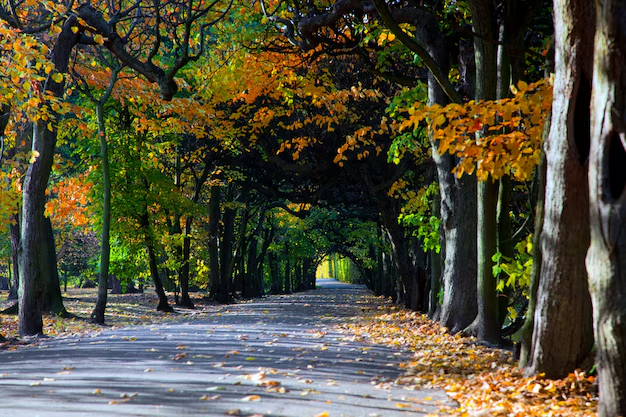
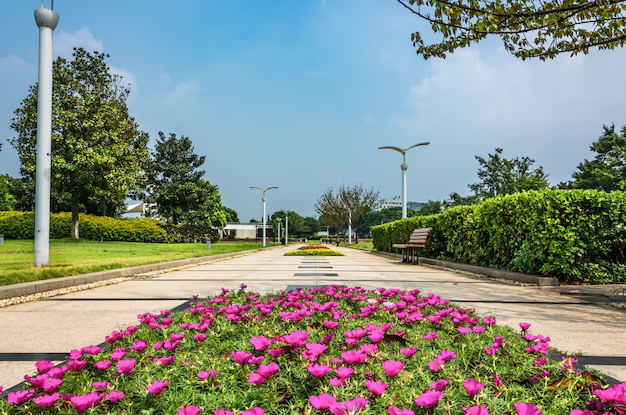
City Green Zones are designated areas within urban environments that prioritize green spaces, such as parks, gardens, green roofs, and tree-lined streets. These zones play a crucial role in enhancing the quality of life for city dwellers by providing much-needed natural areas for recreation, relaxation, and environmental benefits. They help reduce the urban heat island effect by lowering temperatures in densely built environments and improving air quality by filtering pollutants and increasing oxygen levels.
In addition to their environmental benefits, city green zones foster social interaction and community well-being. They provide spaces for outdoor activities like walking, jogging, picnicking, or sports, helping to promote healthier lifestyles.
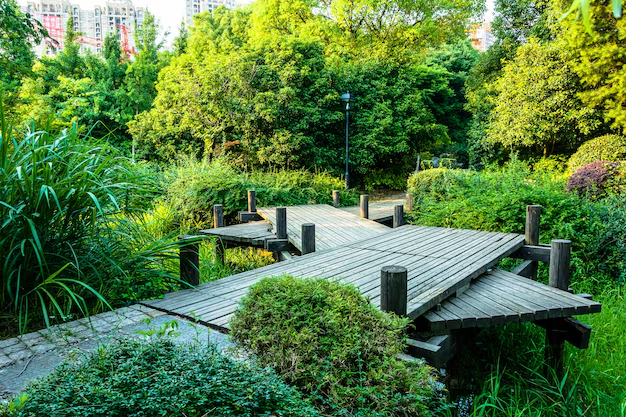
City Green Zones are designated areas within urban settings that prioritize green spaces to enhance both the environment and the quality of life for residents. These areas can include parks, urban forests, green roofs, and tree-lined streets, and they are integral to creating sustainable, livable cities. Green zones help to combat the urban heat island effect by providing cooler, shaded spaces in otherwise concrete-heavy environments.
Beyond the environmental impact, city green zones provide significant social and health benefits. They serve as recreational spaces where residents can engage in outdoor activities, exercise, or simply relax. These areas also foster community interactions, offering places for gatherings, picnics, and social events.
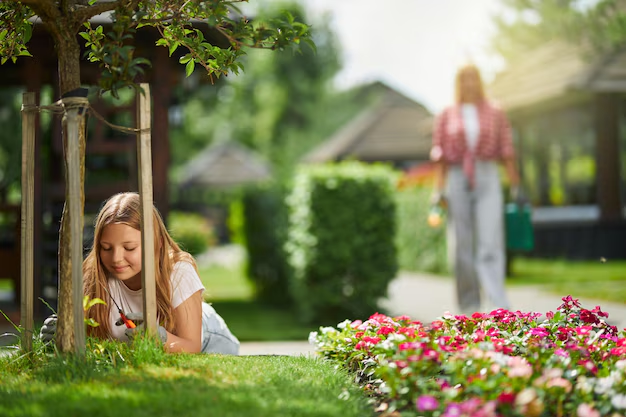
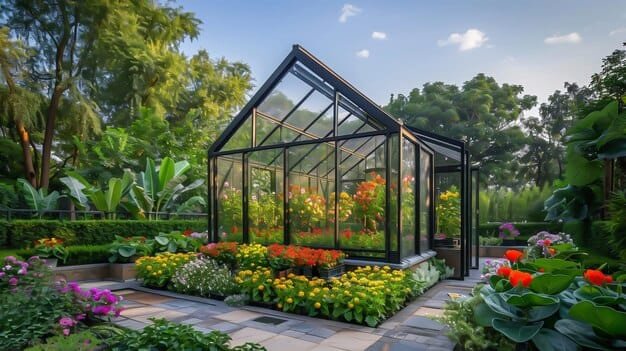
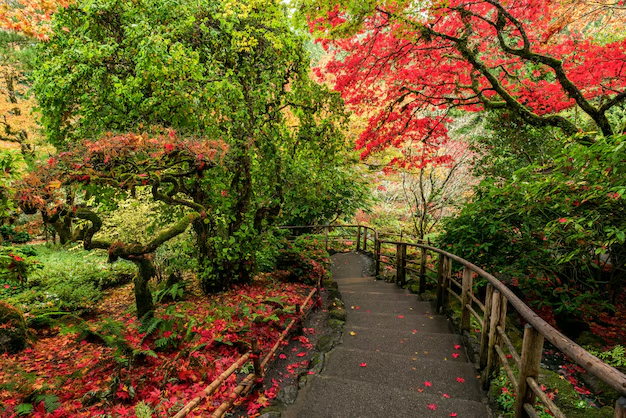
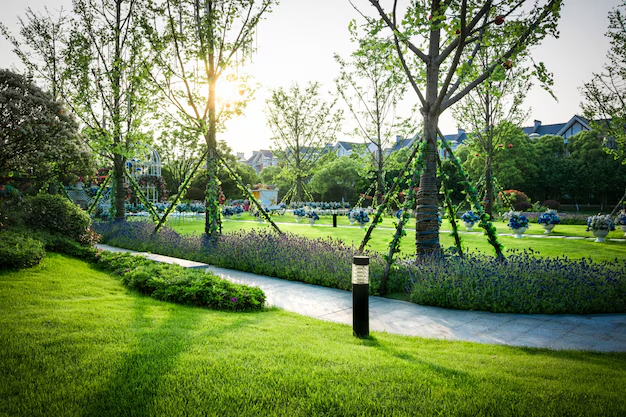
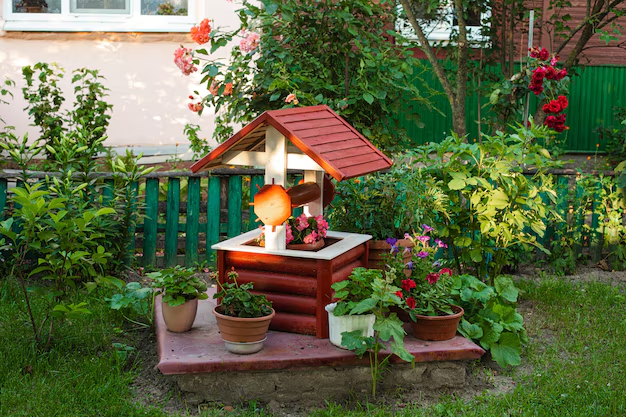
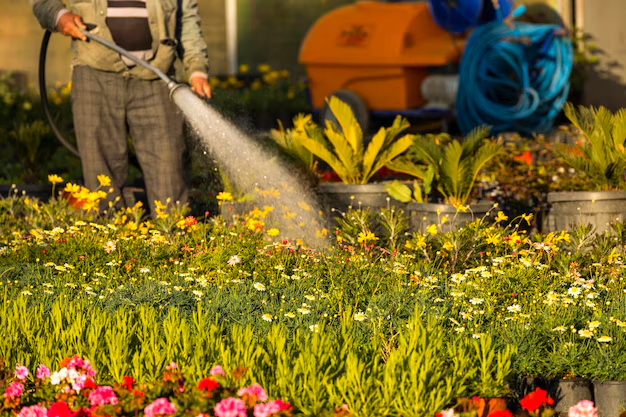
Gardening and landscaping are two closely related fields that focus on designing, maintaining, and enhancing outdoor spaces.
