

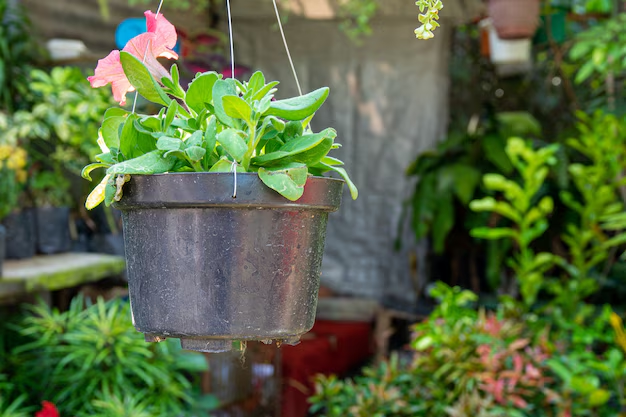
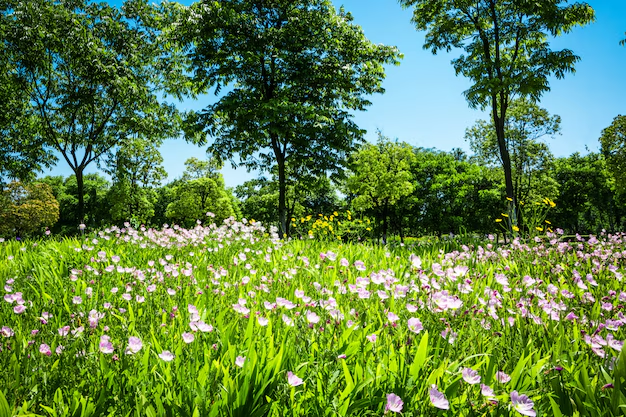
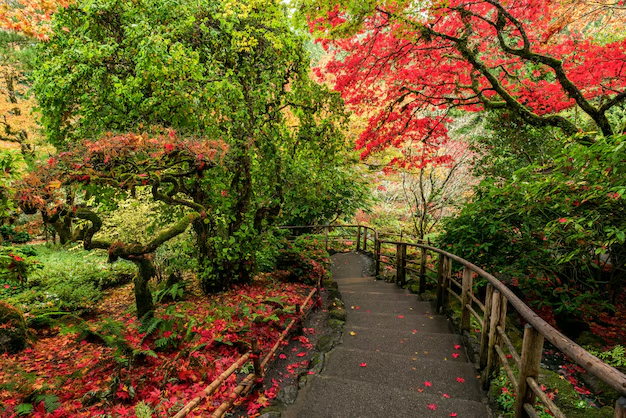
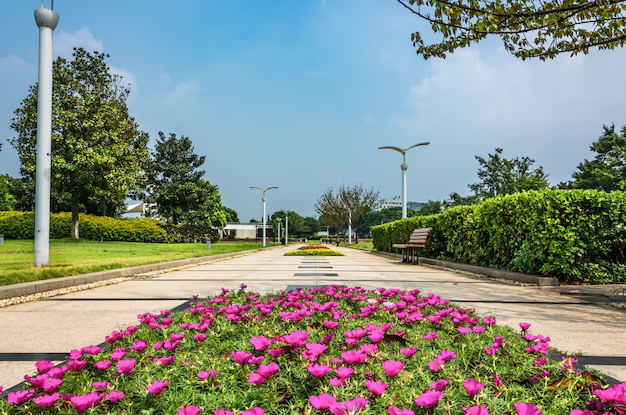
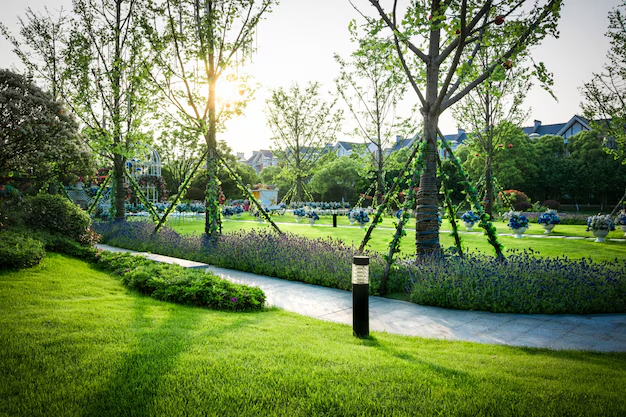
Designing and cultivating grand landscapes requires a vision that marries artistic design with ecological awareness. At the heart of a large-scale landscape is a carefully crafted layout that balances open vistas with intimate spaces, guiding visitors through a seamless journey of discovery. The use of bold architectural elements, such as grand staircases, expansive terraces, and monumental water features, establishes a sense of grandeur, while thoughtfully selected plants—ranging from towering trees to ground-hugging perennials—create layers of texture and color. Incorporating sustainable practices, like drought-tolerant species, organic soil management, and efficient irrigation, ensures long-term resilience. Strategic placement of focal points, such as sculptures, pavilions, or dramatic vistas, draws attention and serves as gathering places within the landscape. Whether it’s a formal garden with geometric precision or a naturalistic meadow that feels wild and untamed, grand landscapes are a testament to the thoughtful integration of beauty, functionality, and nature’s rhythms.


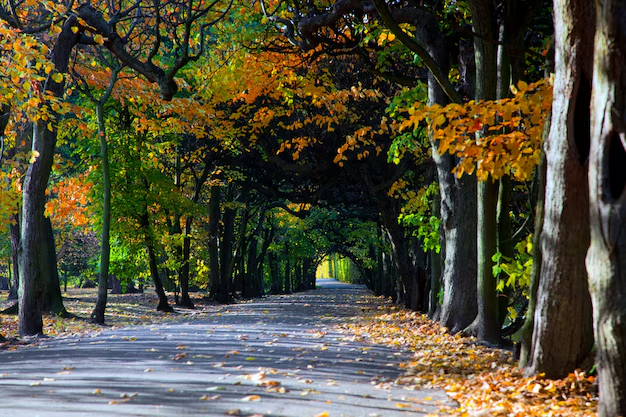
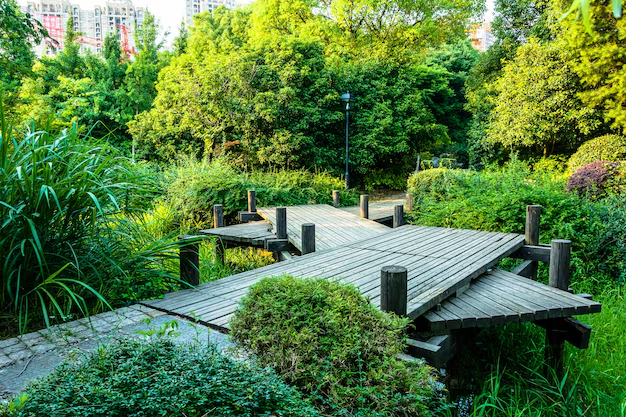
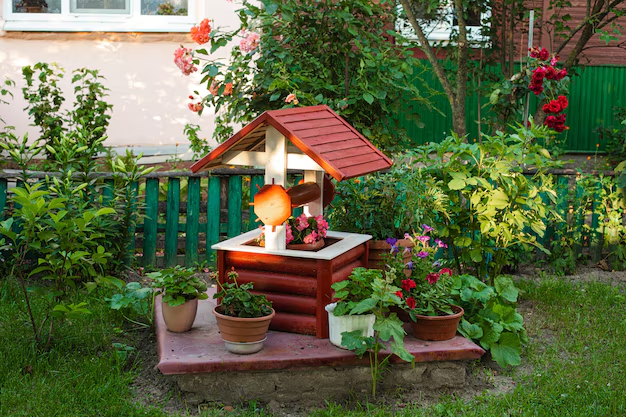
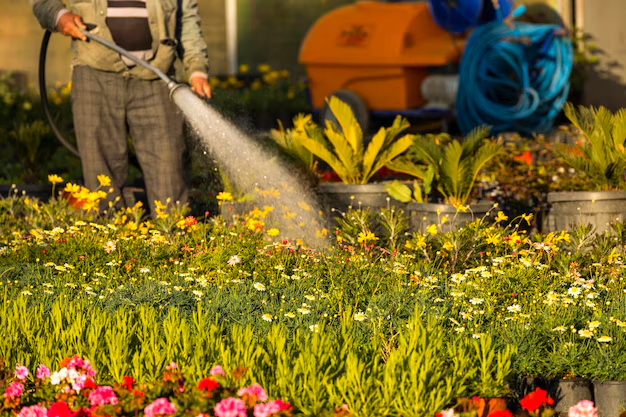

Gardening and landscaping are two closely related fields that focus on designing, maintaining, and enhancing outdoor spaces.
