You want a garden decking solution in North London that looks great, lasts through the seasons and suits how you use your outdoor space. The Plantsman combines local knowledge, skilled installation and practical material choices to deliver decking that fits your home and lifestyle.
This article shows what professional decking installation involves, why The Plantsman suits North London gardens, and how a well-designed deck can extend your living space outdoors. Expect clear guidance on materials, craftsmanship and maintenance so you can decide with confidence.
You’ll get a practical design tailored to your garden shape, a clear choice of durable materials, and a step‑by‑step installation plan that minimises disruption and meets Building Regulations where required.
You’ll start with an on‑site survey to record levels, drainage, access points and how sunlight moves across the space. Expect a measured sketch and 2–3 layout options showing dimensions, board direction, and how the deck connects to paths or patios.
Discuss uses for the deck — dining, planters, steps, or integrated seating — so the design includes the correct loadings and safe step heights. The Plantsman will advise on planning permissions, boundary clearances and whether you need a structural engineer for raised platforms.
You’ll receive a written quote that breaks down labour, materials, groundwork and any extra costs such as waste removal or tree protection. Timelines and a start date are included so you can plan around deliveries and access.
You’ll choose from softwood, hardwood and composite boards; each option includes practical pros and cons specific to North London’s climate. Softwood offers lower cost but needs preservative treatment; hardwood lasts longer but costs more; composite resists rot and requires less maintenance.
Ask about sustainably sourced timber (FSC or PEFC) and low‑VOC finishes for healthier outdoor air. The Plantsman can specify durable joist materials such as pressure‑treated timber or galvanised steel to reduce future maintenance.
Consider drainage and sub‑base materials too: a permeable sub‑base and spacing between boards prevent water pooling and extend lifespan. The quote should label material grades, expected service life and recommended maintenance intervals.
You’ll receive a clear sequence: site preparation, foundation and sub‑frame, board fitting, and finishing. Site preparation includes vegetation clearance, levelling and installing a compacted sub‑base or concrete pads for stability.
The team will set out joists to recommended spans (typically 400–600mm depending on board type) and fix them with corrosion‑resistant fittings. Boards are installed with face‑fixed or concealed clips depending on the chosen finish; you’ll be shown samples of both.
Final steps include trimming, fixing edge boards, sanding where needed, applying protective oil or stain if requested, and a client walkthrough. You’ll get care instructions, contact details for post‑installation support, and any warranty paperwork.
You get a team that knows North London gardens, cares about build quality, and designs decking to fit your garden’s level changes, drainage and intended use.
The Plantsman has hands-on experience working across Camden, Islington, Barnet and nearby boroughs, so they understand local soil types, microclimates and common drainage issues. That means your deck will be specified to resist damp brickwork, tree root movement and the region’s seasonal freeze–thaw cycles.
You benefit from installers who have completed numerous small-plot and terraced-garden projects. They’ll assess access constraints, recommend appropriate materials for narrow rear gardens, and schedule work to minimise disruption to neighbours.
Their familiarity with local permitting and conservation rules speeds up compliance where required. You’ll get realistic timelines based on similar jobs in your postcode rather than generic estimates.
The Plantsman focuses on foundation integrity first: correctly levelling, installing joists and using appropriate ground screws or concrete pads based on soil tests. That reduces future sagging and creak, and extends the life of your deck.
They detail transitions at doors, patio levels and paths so thresholds are safe and weatherproof. Edging, hidden fasteners and neat end-cuts receive the same scrutiny as structural elements to ensure a finished look.
You’ll also see careful material selection and treatment: pressure‑treated or rot‑resistant timbers, and reputable composite boards where low maintenance is a priority. Every fix and finish is documented in your job sheet before work starts.
The Plantsman designs decks to solve specific problems: raised platforms to manage sloping sites, stepped decks to create terraces, and integrated planters to retain soil and soften hard edges. They adapt board orientation, step heights and balustrade styles to suit your family’s use and sightlines.
If you need concealed drainage, integrated lighting or a combined decking-and-patio layout, they produce a detailed drawing and materials list. You choose finishes—oiled timber, smooth composite, or textured boards—and they test samples on-site so you can see how colour and grain work with your planting scheme.
They offer maintenance plans tailored to your chosen materials, with clear schedules and costed options for annual cleaning, oiling or board replacement so your deck remains safe and attractive over time.
Decking extends usable space, improves access across sloping gardens and creates clear zones for dining, lounging and play. Choices about materials, layout and integration with planting determine durability, maintenance and how often you’ll use the area.
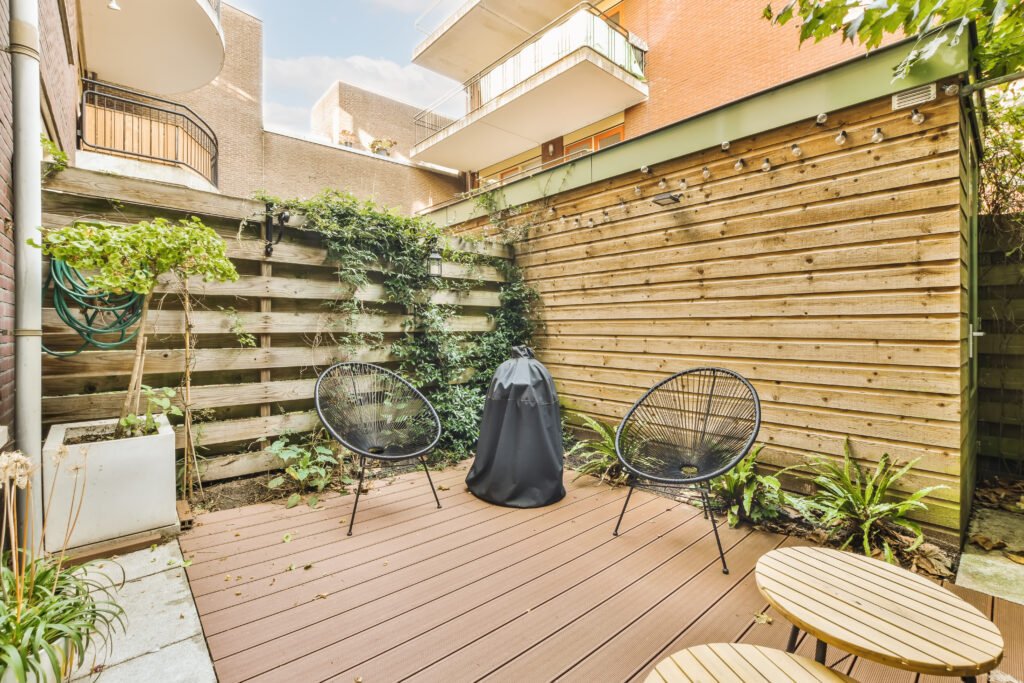
Decking creates a level, stable platform for specific entertaining uses: dining sets, a BBQ station, and outdoor seating areas. Position a dining zone nearest the kitchen door to shorten routes when carrying food and drinks. Reserve a separate lounge area with lower-level decking or a slight step to signal a change of function.
Plan for practical details: run electrical and gas conduits beneath the joists for lighting and a BBQ, and include dedicated wiring for low-voltage garden lights and heated tables. Specify a load-bearing design if you expect heavy furniture or a hot tub — joist spacing, joist size and fixings must match the anticipated weight. Choose slip-resistant board profiles and non-slip fixings for safety in wet weather.
Composite boards combine recycled plastic and timber for low upkeep; they resist rot, split less and typically require only a periodic wash. If you prefer timber, select seasoned hardwoods like Ipe or thermally treated softwoods and allow for annual oiling to preserve colour and weather resistance.
Use stainless-steel fixings and durable joist materials such as treated timber or aluminium to reduce future repairs. Design with accessible gaps under the deck for airflow and easy inspection of drainage or services. For staining and oiling, set a practical schedule — every one to three years depending on exposure — and simplify care with modular board replacement rather than full reworks.
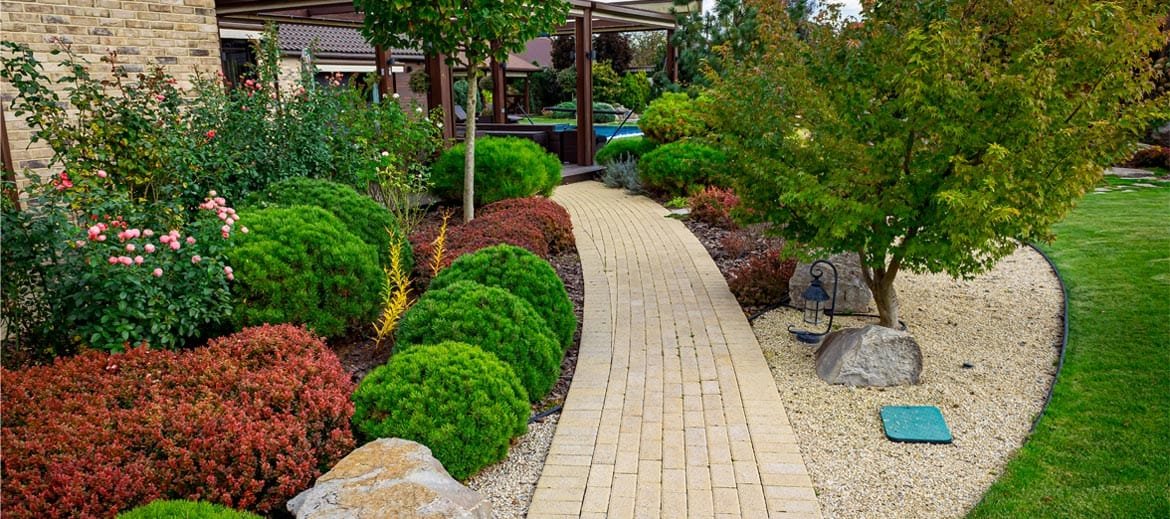
Combine decking with planting to soften edges and create seasonal interest without compromising structure. Use raised planters built into the deck framework to keep soil contained, protect joists from moisture and provide tidy watering access. Plant evergreen foundations like Buxus or Hebe close to seating zones for year-round form, and add perennial swathes—Salvia, Nepeta or Grasses—for summer colour and movement.
Consider root behaviour when choosing trees near decks; select small- or slow-growing species and include root barriers if larger specimens are desired. Position pots on integrated parapet ledges for flexibility and to avoid overloading the deck. Finally, plan irrigation routes beneath the boards or through concealed drip systems to keep planting healthy while preventing water pooling on structural timbers.