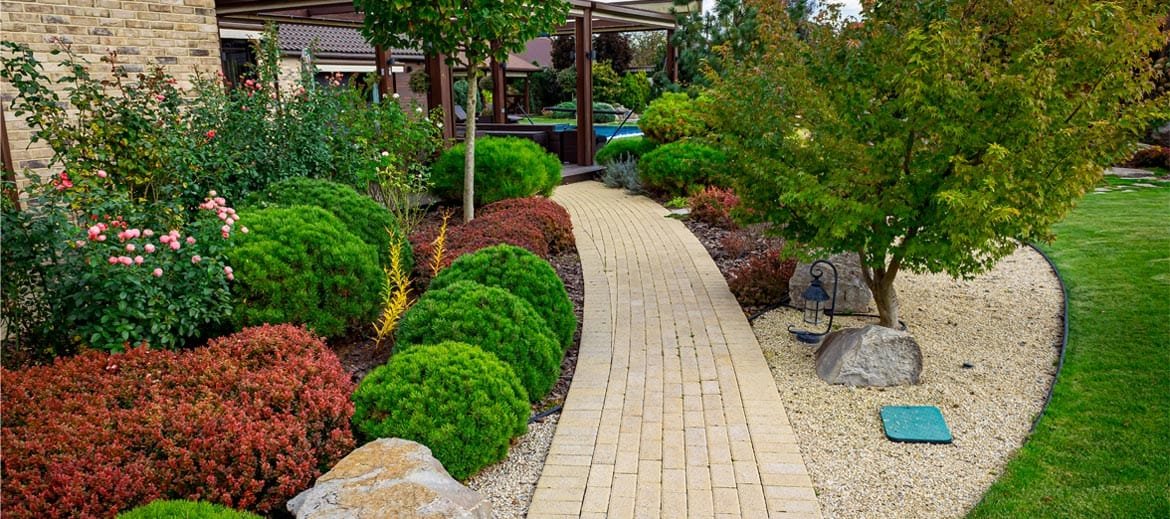
If your garden needs reliable, on-demand attention in North London, The Plantsman gives you practical, professional care that fits your schedule and the local climate. You’ll find tailored maintenance, seasonal planting and specialist plant work delivered with straightforward expertise.
Expect prompt, site-specific garden maintenance that keeps plants healthy and outdoor spaces tidy without long-term hassle. You can book single visits or regular visits, get expert plant advice and see results that match how you use your garden.
This article explains the services available, the benefits of choosing The Plantsman in North London and how specialist plant care and landscaping will protect and enhance your outdoor space.
You can book gardeners when you need them, tailor tasks to your schedule and budget, and make seasonal adjustments that keep your North London garden healthy year-round. The Plantsman focuses on practical maintenance: pruning, mowing, feeding, weeding and targeted seasonal jobs.
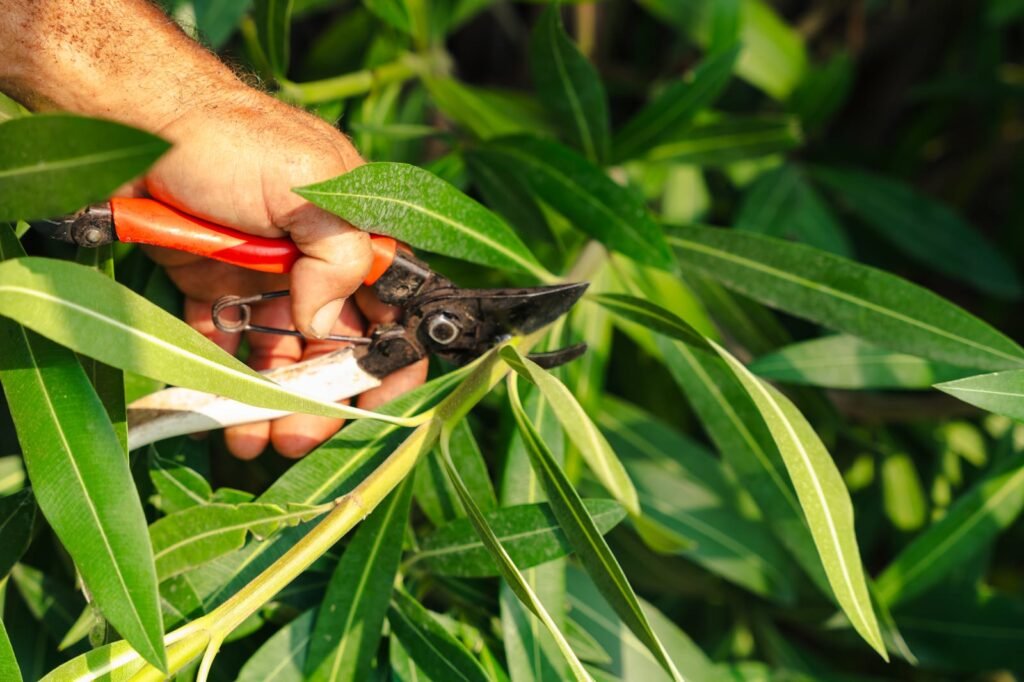
You choose the frequency and timing that suits your lifestyle: one-off visits, weekly, fortnightly or monthly maintenance slots. Bookings can cover short two-hour visits for tidy-ups or half/full-day visits for larger jobs such as hedge reductions or bed replanting.
The Plantsman offers on-demand emergency call-outs for storm damage or sudden pest issues. You receive clear arrival windows and confirmation, and you can reschedule with reasonable notice to avoid unnecessary visits.
Pricing is transparent: choose hourly billing for ad-hoc jobs or a fixed visit price for recurring visits so you know your monthly cost. You can request the same gardener each visit for continuity, or allocate different specialists (e.g. tree surgery or turfing) when a job requires specific skills.
You identify the tasks you want included: lawn care, hedge trimming, border maintenance, weed control, mulching, planting and light tree work. The Plantsman creates a bespoke package that lists the exact duties for each visit and any materials included, such as compost or mulch.
Packages scale to match garden size and complexity. For small courtyards you might get a focused tidy and plant feeding; for larger suburban plots you can include regular lawn care, seasonal planting rotations and bespoke pruning schedules. You can add bolt-on services—jet washing, gutter clearing or garden clearance—on request.
You receive a written care plan outlining seasonal actions and expected outcomes, plus prioritised tasks for each visit. This keeps the work consistent and lets you track progress without micromanaging the team.
Spring: focus on soil preparation, planting bulbs and early pruning. The Plantsman will rake, mulch, feed and apply targeted weed control to prepare beds and lawns for active growth.
Summer: emphasis shifts to irrigation checks, lawn mowing cycles, deadheading and pest monitoring. You’ll get watering advice for hot spells and selective trimming to maintain structure while promoting flowering.
Autumn/Winter: prepare for dormancy with leaf clearance, hard pruning of shrubs where necessary, hedge shaping and protective mulches. The team also handles storm-damage clearance and sets out winter schedules for preventative treatments and tree inspections.
You get skilled professionals, durable equipment, and greener practices tailored to North London gardens. The team focuses on practical results: reliable maintenance schedules, correct plant choices for local microclimates, and low-impact methods that protect soil and wildlife.
You receive work from gardeners with years of hands-on experience in North London conditions. They understand local soil types, shade patterns, and common pests, so they choose planting schemes and pruning timings that reduce replacements and boost plant health. Staff often include qualified tree surgeons and Horticultural Association-trained gardeners who follow British Standards for pruning and tree work.
Communication is straightforward. You’ll get a clear written quote, a proposed maintenance schedule, and notes on seasonal priorities such as bulb planting in autumn or hedge shaping in late summer. Regular visits mean issues such as disease or irrigation faults are spotted early, saving you time and cost.
You benefit from modern, well-maintained equipment that speeds up jobs and leaves a neater finish. The Plantsman uses petrol and battery-powered tools to tackle everything from lawn care to hedge trimming, and keeps cutting edges sharp to minimise damage to plants. For hard landscaping, they use weather-rated materials and proven turf suppliers to ensure longevity.
Materials selection follows practical criteria: turf matched to your site’s light levels, mulch types suited to each bed, and stakes or ties that won’t girdle young trees. You receive transparent lists of products and guarantees for installation work, so you know exactly what’s being used and how long it should last.
You get low-impact methods that reduce chemical use and support biodiversity in an urban setting. The Plantsman favours integrated pest management: encouraging predators, using targeted biological controls, and applying minimal, approved treatments only when necessary. Composting and mulching are standard practices to improve soil structure and reduce water needs.
Water management receives practical attention. You’ll see advice on rainwater harvesting, drought-tolerant plant choices for south-facing borders, and smart irrigation scheduling to cut waste. Native and pollinator-friendly planting is prioritised in schemes, helping local insects while keeping maintenance needs realistic.
You’ll find practical, site-specific plant choices, design-led planting schemes, and proactive maintenance plans tailored to North London gardens and microclimates. Work focuses on plant health, seasonal rhythm, and materials that suit soil, aspect and use.
You get plants chosen for your garden’s soil type, light levels and typical urban stresses such as pollution and limited root volume. The Plantsman sources nursery-grade shrubs, perennials and trees from reputable UK growers, prioritising stock with strong root systems and proven hardiness for North London conditions.
Expect a written plant list with cultivar names, mature sizes and maintenance notes so you know spacing, pruning needs and flowering season. Native and wildlife-friendly species are recommended where appropriate, alongside low-allergen options for clients with sensitivities. When unusual specimens are requested, the team confirms provenance and size availability before committing to purchase.
Delivery and planting are scheduled to minimise transplant shock. Root-balled or container-grown stock is handled on the day of planting with soil conditioners or mycorrhizal inoculants used where needed to improve establishment.
Designs begin with a measured site survey covering aspect, existing soil, drainage and microclimates such as shaded corners or heat-reflective walls. You receive mood boards or drawings showing focal points, seasonal interest and functional zones like seating, play areas or vegetable beds.
Planting schemes balance structure plants (shrubs, small trees) with underplanting of perennials and bulbs for staggered colour. Drawings include planting densities and layer plans so plants mature without overcrowding. Hard landscaping choices — paths, edging, and mulches — are specified to complement planting and reduce maintenance.
You can opt for phased installations if budget or growing seasons dictate. The team recommends planting times and any protective measures (frost guards, root barriers) to protect investment and ensure high survival rates.
Maintenance plans focus on seasonal tasks: targeted pruning, staking or tree support, root aeration and soil testing where growth issues arise. You receive a calendar of visits that aligns with pruning windows, feed schedules and pest inspections to keep plants vigorous year-round.
Organic and integrated pest-management approaches are favoured to reduce chemical use. Where disease or nutrient deficiency appears, the team provides a diagnosis and an action plan with timelines and expected outcomes. Mulching, weed control and targeted feeding are used to improve soil biology and long-term plant health.
Records of interventions — pruning dates, fertiliser types and planting changes — are kept so you can track progress and make informed decisions about future planting or redesign.