
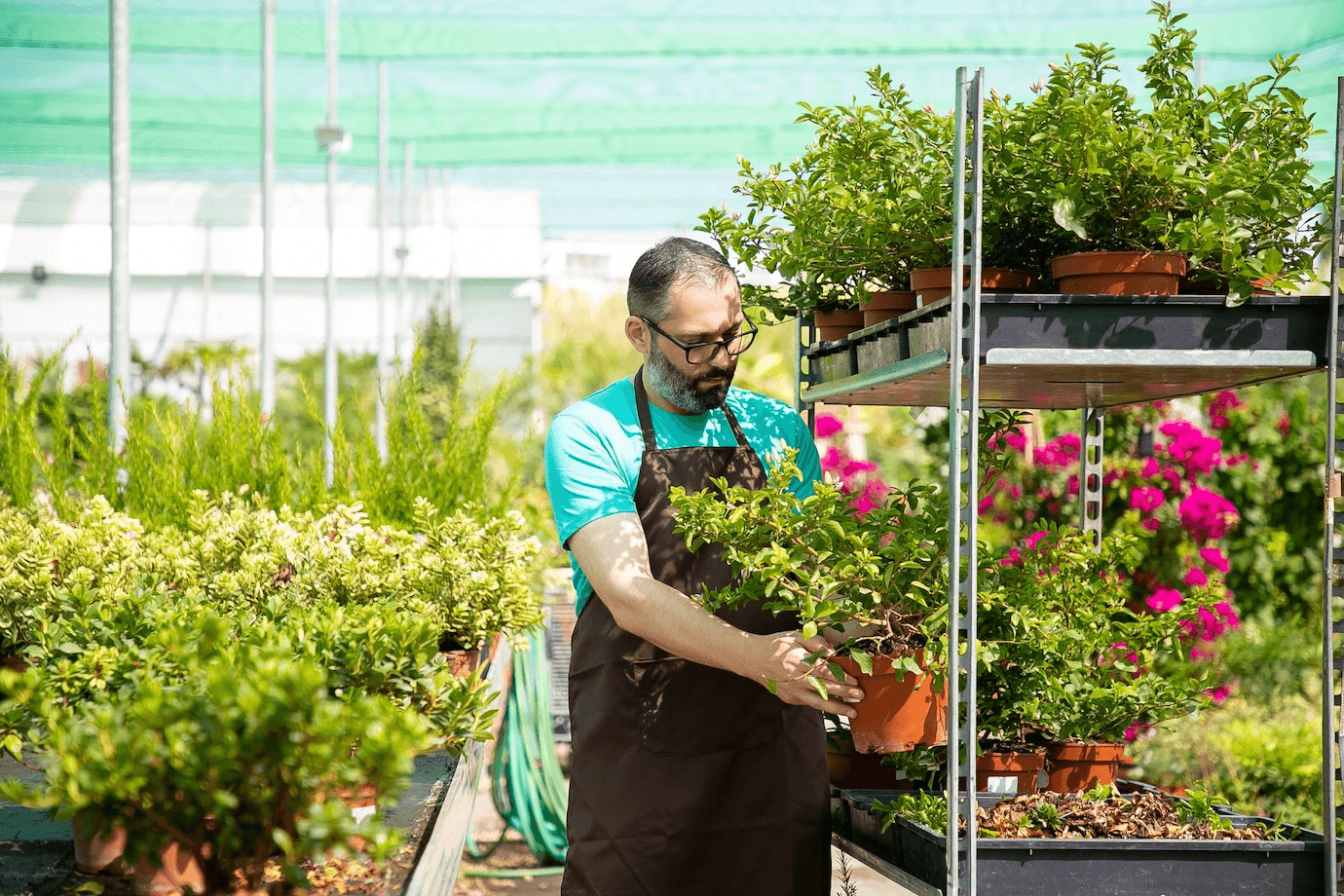
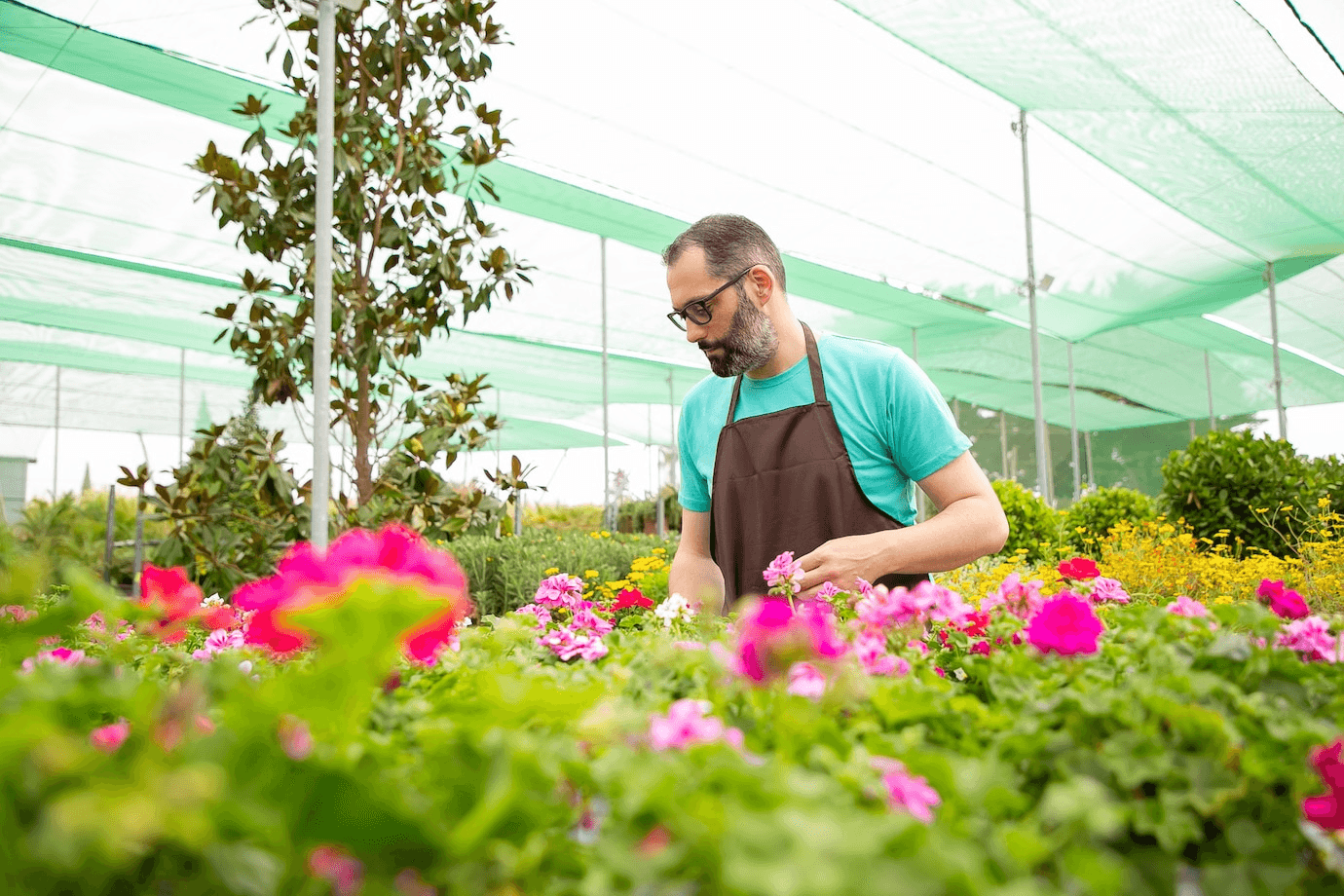
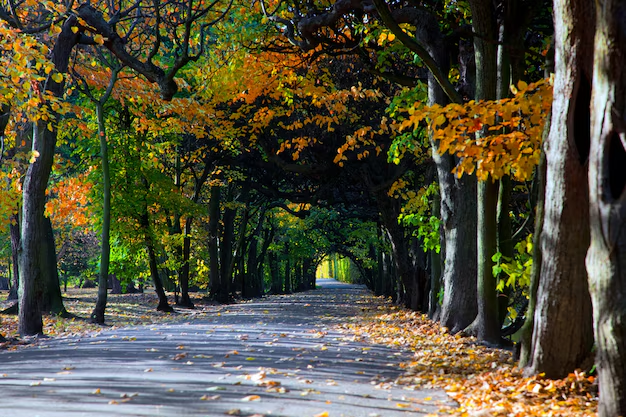
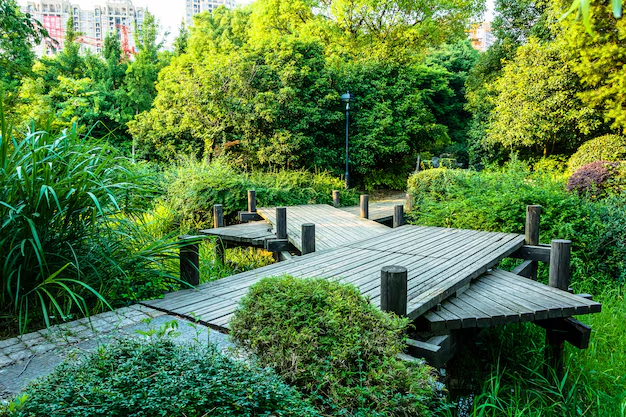
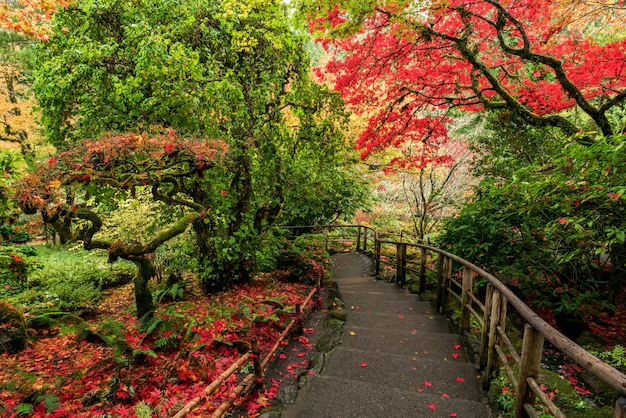
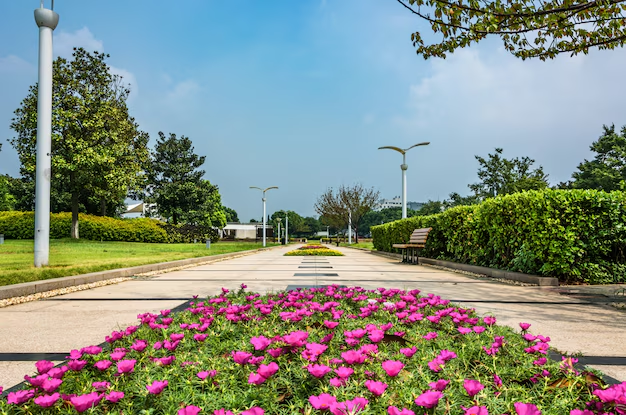
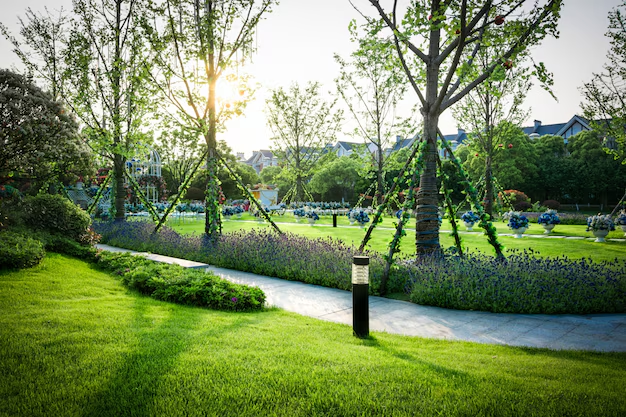
Mastering large-scale garden design involves a strategic balance of creativity, functionality, and environmental harmony. The process begins with a thorough site analysis, considering factors like topography, soil quality, drainage, and climate, which shape the foundational design. Planning is key, requiring detailed blueprints to organize zones for aesthetics and functionality—whether for recreational areas, vegetable gardens, or ornamental landscapes. Plant selection plays a pivotal role, emphasizing native, low-maintenance species layered for depth and seasonal appeal. Hardscaping elements like pathways, terraces, and water features add structure and character, while sustainable practices, including efficient irrigation, composting, and pollinator-friendly plants, ensure ecological responsibility. Incorporating modern tools, design software, and innovative lighting enhances both efficiency and ambiance. Drawing inspiration from historical gardens, contemporary trends, and community projects can further elevate the vision. Ultimately, large-scale garden design transforms expansive spaces into cohesive, sustainable, and stunning landscapes that resonate with their surroundings.
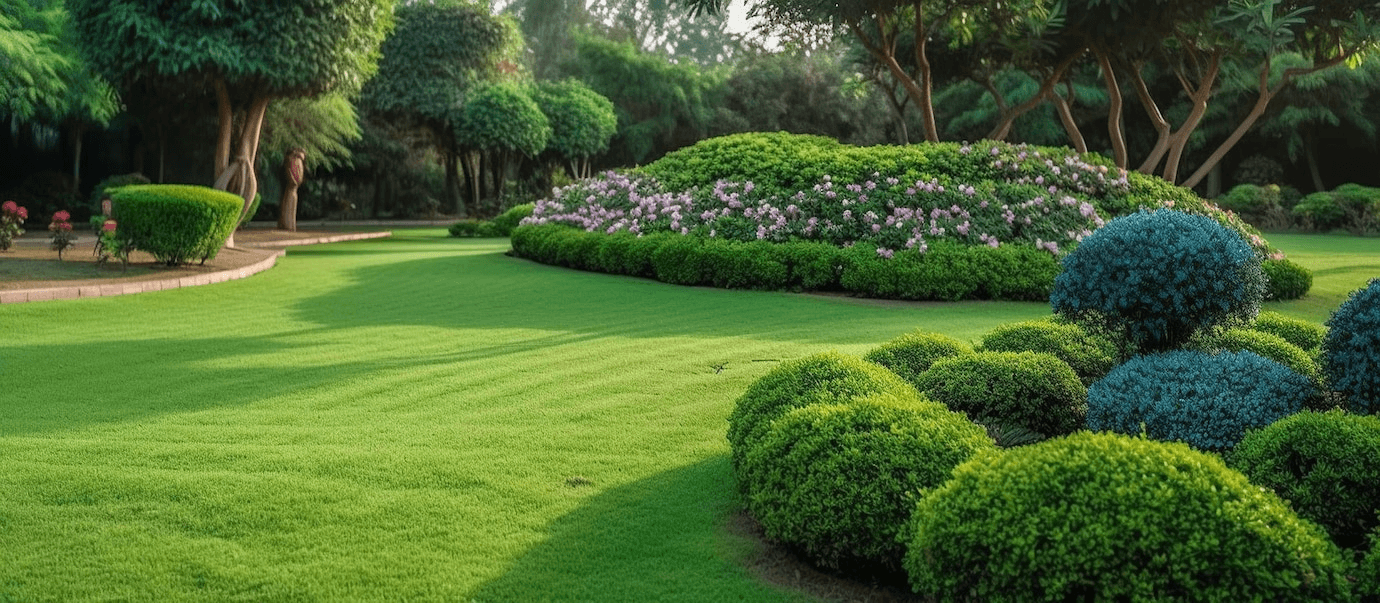

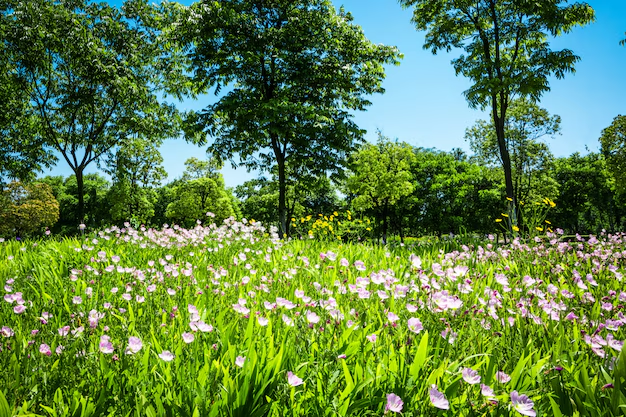

Gardening and landscaping are two closely related fields that focus on designing, maintaining, and enhancing outdoor spaces.
