
You can transform a compact North London outdoor space into a practical, stylish extension of your home by prioritising scale, light and year‑round planting. Start by matching the design to your lifestyle and the site’s microclimate — this gives you a flexible plan that looks good and works for everyday use.
Think about hard landscaping, smart plant choices and contemporary features that suit London’s terraces and courtyards; these decisions make small gardens feel larger and lower maintenance. The rest of the article will show how practical design principles and modern touches combine to create thriving urban gardens across North London.
You will focus on efficient layout, water-wise planting and choosing species suited to London’s microclimates. Practical decisions about scale, materials and maintenance will determine how well your garden performs year-round.
Assess the footprint precisely and prioritise functions you need—dining, play, planting or storage. Use scaled drawings or a simple grid to map usable zones and sightlines before buying materials.
Vertical layers increase planting without consuming floor area. Install trellises, climbers and green walls; select narrow troughs or tiered planters for depth. Combine seating with built-in storage to reduce clutter.
Choose paving patterns and colour to create perceived space. Lighter surfaces and linear joints can elongate a terrace, while a single focal point—such as a specimen tree or water feature—anchors the view and reduces visual clutter.
Reduce mains water demand with rainwater harvesting and permeable surfacing. Fit a 500–1,000 litre butt or an underground tank if space allows, and use gravel or resin-bound paths to improve infiltration.
Prioritise recycled and long-life materials. Reclaimed brick, sustainably sourced timber and permeable composite decking lower embodied carbon and need less upkeep. Specify local contractors who follow waste-reduction practices.
Adopt maintenance strategies that save time and resources: mulching to cut irrigation and weeds, targeted pruning schedules, and planting mixes that mature into self-sustaining communities. Include small habitats—log piles, insect hotels—to boost biodiversity and reduce pest pressure.
Choose species proven in London’s temperate, often wind-exposed conditions. Native hedging like hawthorn and hornbeam works well for structure, while shrubs such as Hebe and Escallonia tolerate urban pollution and small gardens.
Layer plants for year-round interest: early bulbs (crocus, snowdrop), spring shrubs (spiraea), summer perennials (lavender, geraniums) and evergreen accents (buxus or pittosporum). Group plants by watering needs to make irrigation efficient.
Consider soil variability common in North London: test pH and structure, then amend with compost and grit where drainage is poor. Use container mixes for terrace planting and choose larger pots for trees to reduce root restriction and improve storm resilience.
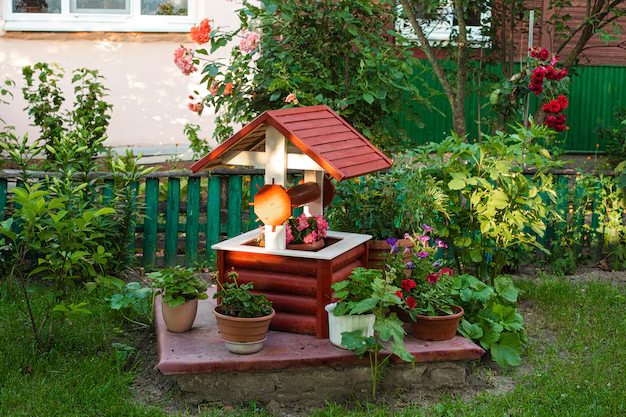
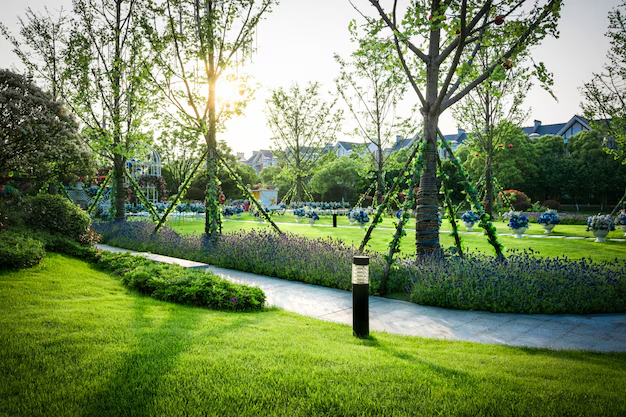
Focus on usable outdoor rooms, maximise vertical space, and choose resilient, low-maintenance planting suited to urban conditions and local microclimates. Prioritise durable materials, discreet irrigation, and planting palettes that perform year-round.
Create defined zones for dining, lounging and cooking to extend your home’s footprint into the garden. Use level changes, timber decking or polished concrete to anchor each zone; a single material palette across zones keeps a compact garden feeling larger.
Install built-in seating and storage to save space and reduce clutter. Choose multifunctional furniture—benches with storage, foldaway tables—and position seating to catch sunlight in spring and autumn.
Plan utilities early: gas and electric for a barbecue or heater, and 12–15mm drainage runs for a compact wet bar. Fit recessed LED uplights and low-voltage path lights for subtle evening ambience without high running costs.
Maximise soil area by using walls, fences and trellises for planting and screening. Combine modular living-wall panels for herbs and annuals with trained climbers—Trachelospermum or Jasminum—for scent and seasonal interest.
For small courtyards, use staggered planters or tiered shelving to create depth. Mount troughs at different heights to avoid blocking light and to create microclimates for shade-tolerant and sun-loving species.
Incorporate integrated irrigation: drip lines routed to each panel reduce water waste and maintenance. Select robust backing materials—galvanised steel or rot-resistant composites—to withstand frequent watering and London’s variable weather.
Choose evergreen structure plants and long-flowering perennials to reduce seasonal overhaul. Examples that suit North London conditions: Buxus or Taxus for clipped structure, Cornus alba for winter stems, and Stipa gigantea or Miscanthus for architectural grasses.
Group plants by irrigation needs to simplify watering and reduce disease. Use drought-tolerant soil mixes with added grit and organic matter to improve drainage on clay sites common in London boroughs.
Include bulbs for seasonal colour and groundcovers such as Geranium macrorrhizum or Vinca minor to suppress weeds. Plan for one annual pruning and a spring mulch top-up to keep maintenance to a minimum.
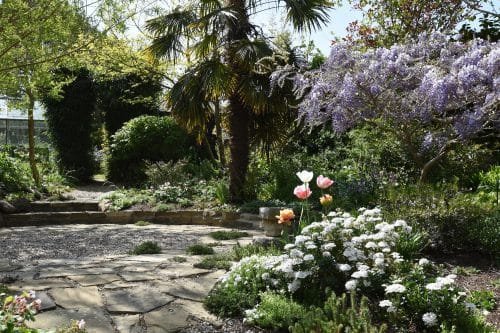
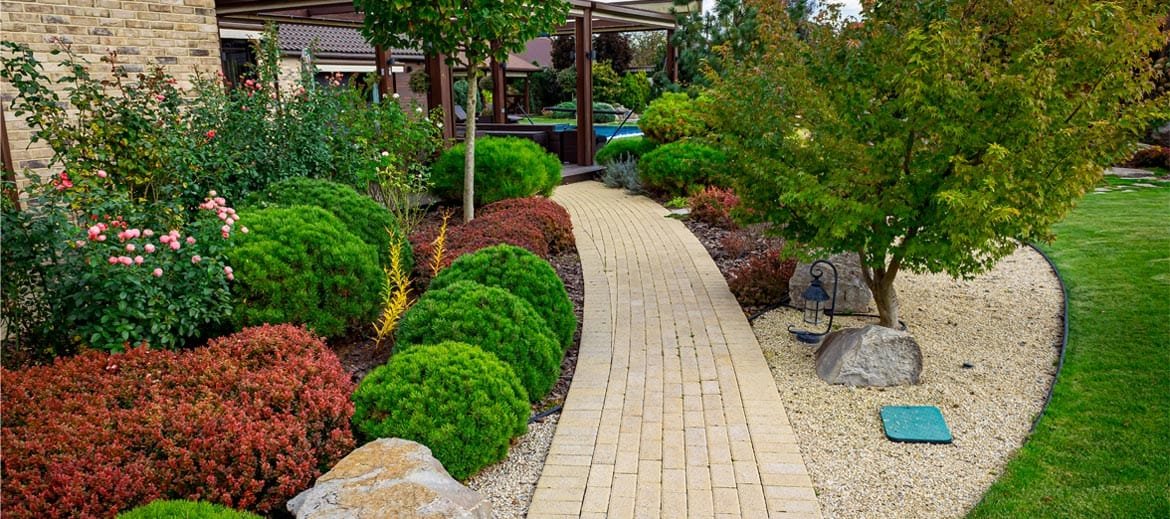


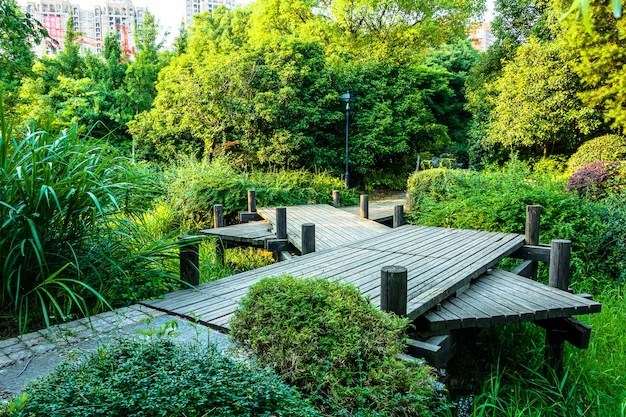




Gardening and landscaping are two closely related fields that focus on designing, maintaining, and enhancing outdoor spaces.
